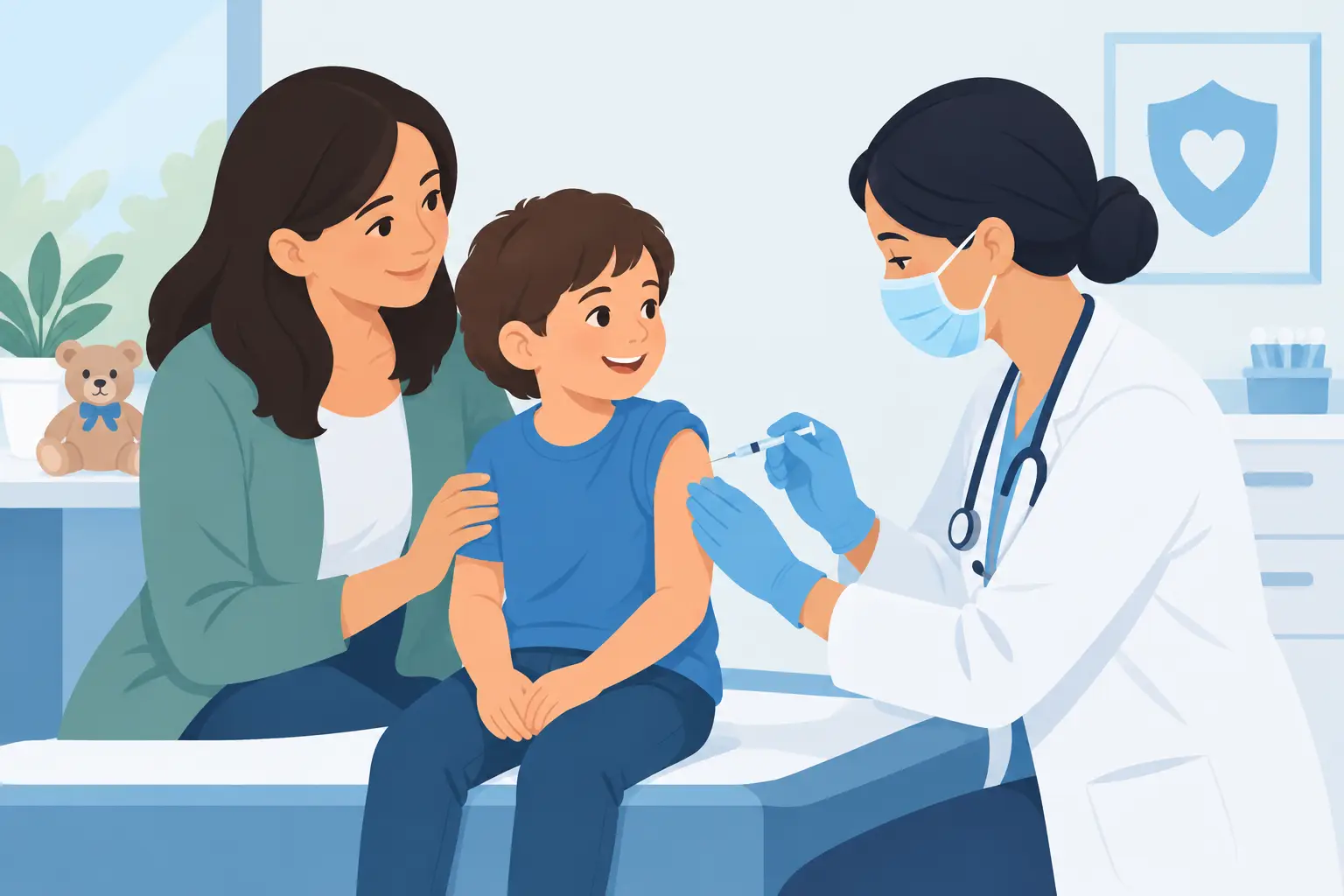
A child’s first years come with a long list of appointments, developmental changes, and questions. This guide to childhood immunizations gives Calgary parents a clear, practical way to understand what vaccines do, how appointments usually work, and what to expect before and after a dose.
Immunization is one of the most effective ways to protect children from serious illnesses that can spread quickly through homes, schools, daycares, and community settings. It also protects people around them, including newborns, older adults, and anyone whose immune system is weakened. For most families, keeping up with vaccines is a routine part of preventive care – but it is still normal to want straightforward answers.
Why childhood immunizations are recommended
Vaccines train the immune system to recognize and respond to certain infections without requiring a child to go through the full illness first. If they later encounter the virus or bacteria, their body has a faster, more prepared response.
This matters because some diseases that may seem uncommon today are uncommon partly because vaccines have reduced their spread. When immunization rates fall, outbreaks can return. Measles, whooping cough, polio, meningitis, and other vaccine-preventable illnesses can lead to severe complications, hospitalization, or, in rare cases, death.
Vaccines are carefully studied before they are approved for use in Canada and continue to be monitored for safety. Like any medical intervention, they can cause side effects. Most are mild and short-lived, while serious reactions are rare. Your child’s healthcare provider can discuss the benefits and possible risks based on your child’s health history.
A guide to childhood immunizations in Alberta
Alberta’s routine childhood immunization program is designed around the ages when children are most vulnerable to particular illnesses and when vaccines are expected to provide strong protection. The schedule includes vaccines during infancy, toddlerhood, preschool years, and adolescence.
The exact timing and vaccines offered can change as public health recommendations are updated. Your child may receive protection against illnesses such as diphtheria, tetanus, pertussis or whooping cough, polio, measles, mumps, rubella, chickenpox, meningococcal disease, pneumococcal disease, rotavirus, hepatitis B, and influenza. Some vaccines are combined into one injection, which reduces the number of separate needles needed at a visit.
Routine childhood vaccines are generally provided through Alberta’s public immunization program. Depending on your child’s age and the vaccine needed, appointments may be arranged through public health services or with a healthcare provider. If you are unsure where your child should go, ask your family doctor’s office or contact Alberta Health Link at 811 for current guidance.
It is helpful to think of the schedule as a protective timeline, not a test parents can fail. Babies receive several vaccines early because their immune systems are still developing and some infections are especially dangerous at that age. Booster doses later in childhood help maintain protection as the first response fades over time.
If your child has missed a vaccine
Missed appointments happen. Illness, travel, work schedules, a new baby, or difficulty finding an appointment can all get in the way. A delayed vaccine does not usually mean the series must be restarted. In many cases, a catch-up schedule can continue from the dose your child last received.
Bring your child’s immunization record to the appointment if you have it. If records are missing or incomplete, a healthcare professional can help determine what has been documented and what your child may need next. It is better to ask and make a plan than to delay further because the record is unclear.
Preparing for an immunization appointment
A calm, simple approach can make vaccination visits easier for both parent and child. For babies and toddlers, feeding, cuddling, and a familiar comfort item may help. For older children, be honest without adding unnecessary alarm. You can explain that the needle may pinch for a few seconds and that you will stay with them throughout the appointment.
Dress your child in clothing that allows easy access to the upper arm or thigh. Bring their health card and immunization record, and let the provider know about any significant allergies, past reactions to vaccines, current medications, or ongoing health conditions.
A mild cold, runny nose, or low-grade fever does not always require postponing immunization. However, a child who is moderately or severely unwell may need to wait. The decision depends on the illness, their symptoms, and the specific vaccine, so call ahead if you are uncertain.
Parents sometimes worry that receiving more than one vaccine at a visit will overwhelm a child’s immune system. Children encounter many germs in daily life, and the immune system is built to respond to them. Receiving recommended vaccines at the same appointment has been studied and is commonly used to provide timely protection while reducing the number of visits.
What to expect after vaccines
Most children do well after immunization. Common reactions include soreness, redness, or swelling where the needle was given, as well as temporary tiredness, fussiness, a mild fever, headache, or reduced appetite. These symptoms often begin within a day or two and settle on their own.
Offer fluids, rest, and extra comfort. A cool cloth at the injection site can help with local soreness. If you are considering a fever or pain medication, follow dosing instructions carefully and ask a pharmacist or healthcare provider if you are not sure which product or dose is appropriate for your child’s age and weight.
Avoid giving medication before a vaccine just to prevent a reaction unless a healthcare professional has advised it. Monitoring how your child feels after the appointment is usually the best approach.
When to seek urgent help
Severe allergic reactions are rare, but they need immediate care. Call 911 or seek emergency help if your child develops trouble breathing, swelling of the face or throat, widespread hives, severe weakness, unusual unresponsiveness, or a seizure after immunization.
Call a healthcare provider promptly for a high or persistent fever, inconsolable crying, worsening symptoms, a reaction that concerns you, or if your child seems much sicker than expected. Parents know their children well. If something does not feel right, it is reasonable to ask for advice.
Keeping immunization records organized
Your child’s immunization record is useful beyond the appointment itself. It may be needed for daycare, school, camps, travel, or future healthcare visits. Keep a paper copy in a safe place and take a photo or scan it as a backup. Add new doses soon after each appointment so the record stays current.
If your family moves, changes providers, or has children receiving care in more than one setting, share the record at each visit. This helps prevent missed doses and avoids unnecessary repeat vaccinations when documentation is available.
For families with multiple children, a simple calendar reminder can make a meaningful difference. Set a reminder a few weeks before a recommended age-based visit, rather than waiting until the appointment is overdue. This gives you time to arrange care around school and work schedules.
Questions parents should feel comfortable asking
A good immunization conversation should leave you feeling informed, not rushed. Ask what each vaccine protects against, which reactions are expected, how long protection lasts, and when the next dose is due. If you have heard a concerning claim online or from someone you know, bring it up directly. Your provider can help separate a credible safety concern from information that is incomplete or misleading.
Some children need a more individualized plan. This can include children with a history of a severe allergic reaction, immune conditions, cancer treatment, certain medications, premature birth, or complex medical needs. These situations do not automatically mean a child cannot be vaccinated. They mean the timing or type of vaccine should be reviewed carefully by the appropriate healthcare professional.
At Seva Medical Clinic, families can discuss routine pediatric health questions, review concerns after an immunization, and receive guidance on next steps when a child is unwell. For vaccine administration and public-health schedule details, the clinic can also help direct families to the appropriate service.
The goal is not perfection. It is giving your child the protection they need, one appointment at a time, while knowing where to turn when you have a question.