A blood pressure reading can look like a simple pair of numbers, but the context matters. If you are wondering when is blood pressure high, the answer depends on where and how it was measured, whether readings stay elevated over time, and whether you have concerning symptoms.
High blood pressure, also called hypertension, often causes no symptoms at all. That is why routine checks matter, especially if you have a family history of hypertension, diabetes, kidney disease, high cholesterol, sleep apnea, or a history of pregnancy-related high blood pressure. A single high reading deserves attention, but it does not always mean you have hypertension.
What the top and bottom numbers mean
Blood pressure is written as two numbers, such as 128/78 mm Hg. The top number is systolic pressure. It measures the pressure in your arteries when your heart contracts. The bottom number is diastolic pressure, which measures the pressure when your heart relaxes between beats.
Both numbers matter. A higher systolic number is common as people get older because arteries can become less flexible. A high diastolic number can also signal increased strain on the heart and blood vessels. Your clinician looks at the overall pattern rather than focusing on only one number.
When is blood pressure high in Canada?
For many adults, a blood pressure reading taken in a clinic is generally considered high when it is 140/90 mm Hg or higher. However, blood pressure normally changes through the day. Stress, pain, poor sleep, caffeine, nicotine, exercise, illness, and even rushing to an appointment can temporarily raise it.
Measurements taken outside the clinic have slightly different targets because people are often more relaxed at home. Home blood pressure readings are generally considered elevated when the average is 135/85 mm Hg or higher. A 24-hour ambulatory monitor, worn while you go about normal activities and sleep, may be used when the diagnosis is unclear or when readings differ substantially between home and clinic.
A reading below these thresholds is reassuring, but it is still worth discussing with a healthcare professional if your numbers are steadily rising or you have other risk factors. Blood pressure is not an all-or-nothing issue. An upward trend can be a useful early warning sign.
One high reading is not always a diagnosis
A clinician will usually want several properly taken readings before diagnosing hypertension. This is because blood pressure can rise temporarily during a stressful day, after a difficult commute, or when you are worried about a medical appointment. Some people also have “white coat hypertension,” where readings are higher in a clinic than at home.
The reverse can happen too. Some people have normal readings in a healthcare setting but higher readings during daily life. This is one reason home monitoring can be helpful. Bring your monitor or a written record of readings to your appointment so your healthcare provider can review the pattern with you.
How to check blood pressure accurately at home
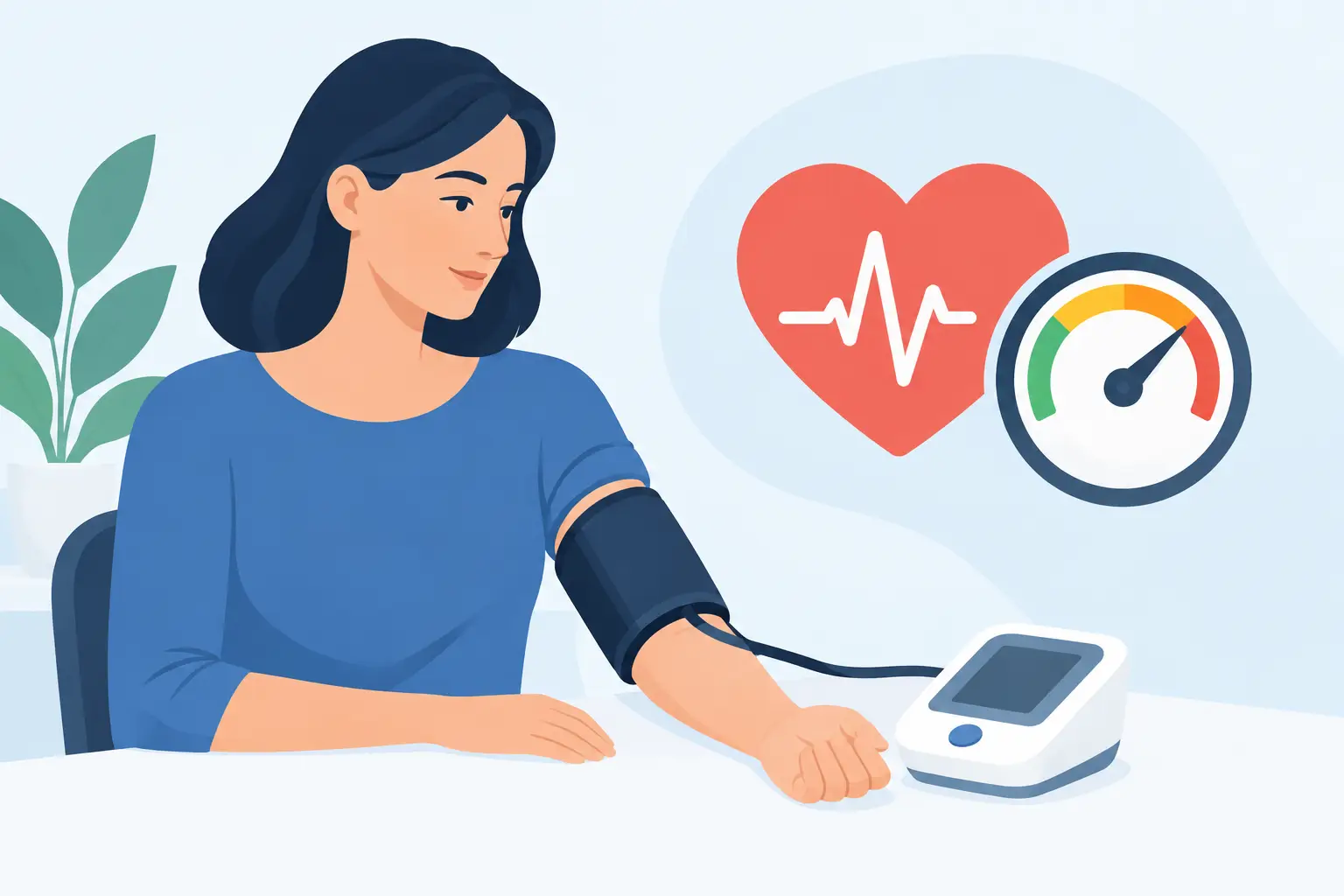
A good home reading starts before you put the cuff on. Avoid smoking, caffeine, and exercise for about 30 minutes beforehand if possible. Empty your bladder, sit quietly for five minutes, and keep your feet flat on the floor with your back supported.
Use a validated upper-arm monitor with a cuff that fits properly. A cuff that is too small can give a falsely high result. Rest your arm on a table so the cuff is at heart level, and do not talk or scroll through your phone during the reading.
Take two readings about one minute apart and record both. Checking at the same times each day, such as morning and evening, creates a more useful record than checking repeatedly whenever you feel anxious. Your healthcare provider may ask you to monitor for several days to get a reliable average.
What can cause a temporary high reading?
Not every higher-than-usual result means there is a long-term problem. Acute pain, fever, anxiety, dehydration, a full bladder, and recent activity can all affect a reading. Certain medications may raise blood pressure as well, including some decongestants, anti-inflammatory pain medicines, stimulant medications, corticosteroids, and some hormonal treatments.
Alcohol, cannabis, nicotine, and other substances can also change blood pressure. Do not stop prescribed medication on your own because of a reading. Instead, tell your clinician what you are taking, including non-prescription medicines, vitamins, and supplements.
If you are pregnant or have recently given birth, a high reading needs prompt assessment. High blood pressure during pregnancy can develop without obvious symptoms and requires specific care for the safety of both parent and baby.
When to book a medical appointment
Book an appointment if your home readings average 135/85 mm Hg or higher, or if readings at a clinic are repeatedly 140/90 mm Hg or higher. You should also arrange care if your readings are lower than these levels but you have diabetes, kidney disease, cardiovascular disease, or a strong family history and are unsure what target is right for you.
At an appointment, your healthcare provider may repeat the measurement, review your health history, discuss sleep, stress, food choices, activity, and medications, and arrange blood or urine tests if needed. Treatment is individualized. Some people benefit first from practical lifestyle changes, while others need medication alongside those changes to lower their risk of heart attack, stroke, kidney disease, and other complications.
Changes that can help include reducing highly processed and salty foods, being physically active most days, limiting alcohol, stopping smoking, supporting a healthy weight, and treating sleep problems such as sleep apnea. These steps can make a meaningful difference, but they do not replace prescribed treatment when medication is needed.
When high blood pressure is urgent
A blood pressure reading of 180/120 mm Hg or higher should be taken seriously. Sit quietly for a few minutes and repeat it. If it remains this high, seek urgent medical advice the same day, even if you feel well.
Call 911 or go to the nearest emergency department immediately if a very high reading occurs with chest pain, shortness of breath, severe headache, confusion, fainting, new weakness or numbness, trouble speaking, vision changes, or severe back pain. These symptoms can indicate a medical emergency and should not wait for a routine appointment.
For non-emergency concerns, timely assessment can prevent uncertainty from becoming a larger problem. Seva Medical Clinic offers family medicine and walk-in care for Calgary patients who need help reviewing blood pressure readings, managing medication, or arranging ongoing follow-up.
A calmer way to respond to a high number
Seeing a high number can feel alarming, particularly when you feel completely fine. Take a breath, use proper technique, and write down the result with the time and any relevant details, such as pain, stress, caffeine, or missed medication. That information helps turn one reading into a clearer clinical picture.
Blood pressure care works best when it is consistent. Checking it correctly, keeping follow-up appointments, and asking questions early gives you and your healthcare team a practical path forward.