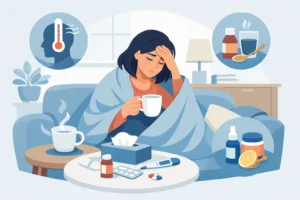
A sore throat that begins after dinner, a child with a stuffy nose before school, or a headache that will not settle can make an ordinary day feel much harder. Knowing how to manage minor illness symptoms can bring comfort, prevent unnecessary stress, and help you decide when it is time to see a clinician.
Many mild illnesses improve with rest, fluids, symptom relief, and a little time. However, the goal is not to push through every symptom at home. Pay attention to how the person feels overall, how quickly symptoms are changing, and whether there are warning signs that need medical assessment.
Start With Comfort, Fluids, and Rest
For common cold symptoms, mild viral infections, minor stomach upset, or a low-grade fever, supportive care is often the right first step. The body needs energy and hydration to recover, particularly when appetite is low or sleep has been disrupted.
Offer frequent fluids throughout the day. Water is a good choice, but soups, warm caffeine-free drinks, oral rehydration solutions, and ice pops can also help. Small, regular sips may be easier than a large drink for someone who feels nauseated. For children, watch for regular urination and tears when crying, which can be reassuring signs of hydration.
Rest does not always mean staying in bed all day. It means reducing strenuous activity and allowing the body time to recover. A quiet day at home, an earlier bedtime, and a pause from sports or demanding workouts may make symptoms easier to manage. Returning to normal activity is reasonable when energy and symptoms are improving.
Manage Minor Illness Symptoms Safely
Symptoms can often be treated one at a time. A warm drink, honey for a cough in people older than one year, saline nasal spray, a humidifier, or a warm shower may ease congestion and throat irritation. Avoid giving honey to babies under 12 months because of the risk of infant botulism.
For fever, headache, muscle aches, or discomfort, some people may benefit from over-the-counter medication such as acetaminophen or ibuprofen. The best option depends on age, weight, health conditions, other medications, allergies, and the symptom being treated. Follow the package directions carefully, avoid taking more than one product with the same active ingredient, and ask a pharmacist or clinician when you are unsure.
Ibuprofen is not appropriate for everyone. It may need to be avoided in people with certain kidney conditions, stomach ulcers, bleeding concerns, or dehydration. Aspirin should not be given to children or teenagers with a viral illness unless a clinician has specifically advised it.
For nausea or a mild upset stomach, start with clear fluids and small amounts of bland food when tolerated. There is no need to force a full meal. If vomiting or diarrhea is ongoing, hydration becomes the priority. Infants, older adults, pregnant people, and those with chronic health conditions can become dehydrated more quickly and may need earlier advice.
Keep an Eye on the Pattern, Not Just One Symptom
A temperature number or a single cough does not always tell the whole story. How someone looks and acts matters just as much. A child who is drinking, alert at times, breathing comfortably, and gradually improving may be safely recovering at home even if they still have a cough or runny nose.
On the other hand, symptoms that worsen after initial improvement deserve attention. For example, a cold that seems to improve and then returns with a higher fever, worsening facial pain, ear pain, or shortness of breath may need to be assessed. A cough can linger after a viral infection, but a cough that is getting worse, causes chest pain, or affects breathing should not be ignored.
Keep brief notes if symptoms are lasting more than a day or two. Record when the illness started, temperatures if you have checked them, medications taken, fluid intake, and any new symptoms. This makes it easier to describe what is happening if you speak with a healthcare professional.
When Same-Day Care Makes Sense
Walk-in or same-day primary care can help when symptoms are not life-threatening but you need a medical opinion, treatment plan, prescription, testing, or reassurance. This may include persistent sore throat, ear pain, urinary symptoms, a rash, worsening sinus symptoms, mild asthma flare-ups, or a cough that is not improving as expected.
Parents may also seek care when they are concerned that a child is not acting like themselves, even when the symptoms seem minor on paper. You know your child’s usual energy, appetite, and behaviour. Trust that observation, especially for babies and young children who cannot clearly explain how they feel.
A clinician can assess whether symptoms are likely viral, whether antibiotics are appropriate, and whether another condition needs treatment. Antibiotics do not treat viruses such as most colds and flu-like illnesses. Taking them when they are not needed can cause side effects and contributes to antibiotic resistance, so an assessment can help avoid treatment that will not help.
Do Not Wait With These Warning Signs
Minor illnesses can occasionally become more serious. Seek urgent medical help or call 911 for severe or rapidly worsening symptoms. This includes:
- Trouble breathing, blue or grey lips, severe chest pain, or new confusion
- Signs of severe dehydration, such as very little urination, fainting, extreme weakness, or inability to keep fluids down
- A seizure, stiff neck with fever, severe headache, or a rash that does not fade when pressed
- A serious allergic reaction, including swelling of the face, tongue, or throat, or trouble breathing
For babies under three months, a fever of 38 C or higher should be assessed promptly. Pregnant people, older adults, people with weakened immune systems, and those managing conditions such as diabetes, heart disease, lung disease, or kidney disease should also contact a healthcare professional sooner when they are unwell.
Protect Others While You Recover
Minor respiratory illnesses spread easily at home, work, school, and daycare. Washing hands regularly, covering coughs and sneezes, cleaning frequently touched surfaces, and avoiding close contact with vulnerable people when you are sick can reduce transmission.
Stay home when you have a fever or feel too unwell to participate normally. If you must be around others, consider wearing a well-fitting mask, especially if you are coughing or have a runny nose. These practical steps are particularly helpful around infants, seniors, and people with health conditions that raise their risk of complications.
Make a Plan That Fits Your Family
The right approach depends on the illness and the person experiencing it. A healthy adult with a mild cold may need little more than fluids and sleep. A toddler with poor fluid intake, an older adult feeling unusually weak, or someone whose symptoms are not improving may need same-day care.
If you are in Southeast Calgary and need non-emergency assessment outside typical daytime hours, Seva Medical Clinic offers family practice and walk-in support for many everyday concerns. Having a clinic option can be especially helpful when symptoms change in the evening and you need clear guidance without waiting for the next day.
Most minor illnesses pass with careful home care, but you never need to guess through worsening symptoms alone. When something feels different, persistent, or concerning, timely medical advice can help you move from uncertainty to a clear next step.