Ear pain can make a child tearful at bedtime, leave an adult unable to focus at work, and raise a very practical question: can doctors treat ear infections? Yes. A doctor can examine the ear, identify what is causing the symptoms, recommend the right treatment, and watch for signs that need more urgent care. The key is not assuming every sore ear needs the same solution.
Can Doctors Treat Ear Infections Safely?
Doctors regularly assess and treat ear infections in children and adults. Ear symptoms may come from an infection in the middle ear, an infection of the ear canal, fluid behind the eardrum, wax buildup, jaw pain, allergies, or even referred pain from the throat or teeth. Looking inside the ear is the best way to tell the difference.
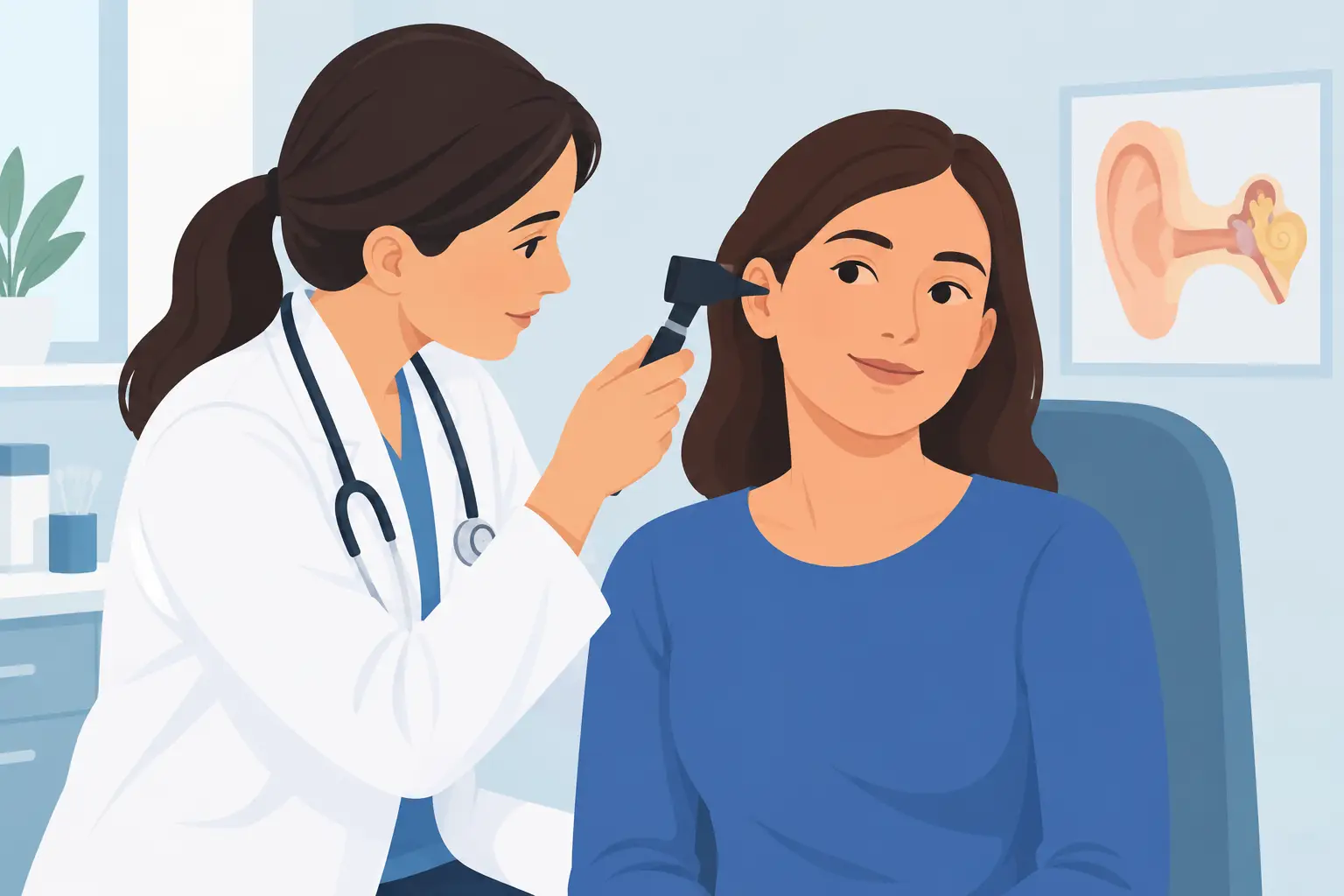
At an appointment, a doctor will ask when the pain started, whether there has been a cold, fever, drainage, hearing changes, swimming, or recent air travel. They will examine the outer ear and use an otoscope to look at the ear canal and eardrum. Depending on the symptoms, they may also check the nose, throat, lymph nodes, and jaw.
That examination matters because treatment depends on the location and cause of the problem. Antibiotic ear drops may help an outer-ear infection but will not treat a middle-ear infection in the same way. Oral antibiotics may be appropriate in some cases, but they are not always needed. A careful diagnosis helps avoid unnecessary medication while making sure a more serious concern is not missed.
The Main Types of Ear Infections
Middle-ear infections
A middle-ear infection, sometimes called otitis media, occurs behind the eardrum. It is especially common in young children, often after a cold. Symptoms can include ear pain, fever, fussiness, poor sleep, reduced appetite, temporary hearing changes, or pulling at the ear in infants and toddlers.
Some middle-ear infections improve without antibiotics. A doctor may recommend pain relief, rest, fluids, and observation when symptoms are mild and the patient is otherwise well. This approach is often called watchful waiting. It is not a dismissal of the problem – it is a clinical decision based on age, symptom severity, how long symptoms have been present, and what the ear examination shows.
Antibiotics may be recommended for more severe symptoms, persistent symptoms, certain younger children, drainage from the ear, or patients who have specific medical risk factors. If your doctor prescribes antibiotics, take them exactly as directed and ask what improvement to expect.
Outer-ear infections
Outer-ear infections, also called swimmer’s ear or otitis externa, affect the ear canal. They are common after swimming or moisture exposure, but can also happen when the delicate skin of the ear canal is irritated by cotton swabs, earbuds, hearing aids, or scratching.
Pain with touching or pulling the outer ear is a common clue. The ear canal may feel itchy, swollen, blocked, or tender, and there may be drainage. Doctors often treat these infections with prescription ear drops. Keeping the ear dry during treatment can also help it heal.
Do not put leftover drops, peroxide, oils, or objects into a painful ear unless a clinician has advised you to do so. A damaged eardrum, ear tubes, eczema, or a different diagnosis can change which products are safe.
What Treatment May Look Like
Relief from pain is often an immediate priority. Your doctor may advise acetaminophen or ibuprofen if these medicines are safe for you or your child. Follow the package directions or the dose recommended by your health professional, especially for children, where dosing is based on weight.
When antibiotics are needed, the type depends on the infection. Middle-ear infections may be treated with an oral antibiotic. Outer-ear infections are more often treated with medicated drops placed directly in the ear canal. Some patients need a follow-up examination, particularly if symptoms are not improving, hearing remains affected, infections recur, or the eardrum could not be clearly assessed during the first visit.
It is understandable to want an antibiotic right away when ear pain is intense. However, antibiotics do not treat viral illnesses, fluid behind the eardrum without bacterial infection, or every source of ear discomfort. They can also cause side effects such as diarrhea, rash, or allergic reactions. The best treatment is the one that matches the diagnosis.
When to See a Doctor for Ear Pain
An ear infection is a good reason to seek a same-day medical assessment when pain is significant, symptoms are worsening, or you are unsure what is causing the discomfort. This is particularly true for babies and young children, who may not be able to describe their symptoms clearly.
Arrange an assessment if ear pain lasts more than a day or two, fever is present, there is fluid or pus coming from the ear, hearing seems reduced, or symptoms return repeatedly. Adults with new ear pain should also be checked, especially when there is drainage, persistent pressure, dizziness, or pain after an injury.
For families in Southeast Calgary, a same-day appointment or walk-in assessment at Seva Medical Clinic can provide a timely examination for non-emergency ear symptoms. Convenient access can be especially helpful when a child develops ear pain after school or an adult’s symptoms worsen in the evening.
Signs You Should Seek Urgent Care
Most ear infections can be managed in a clinic, but some symptoms need urgent medical attention. Seek urgent care right away for severe headache, stiff neck, confusion, fainting, severe dizziness, swelling or redness behind the ear, a high fever with a very unwell appearance, or facial weakness.
Infants younger than three months with a fever need prompt medical assessment. People with diabetes, a weakened immune system, a cochlear implant, or a history of major ear surgery should seek advice early when they develop ear pain or drainage. These situations can carry a higher risk of complications or require more specialized treatment.
If there has been a serious head injury, sudden hearing loss, or uncontrolled bleeding from the ear, do not wait for a routine appointment. Emergency assessment is the safer choice.
What You Can Do Before Your Visit
While waiting to be seen, focus on comfort and avoid making the problem worse. Use pain medicine only if it is appropriate for the patient, offer fluids, and keep the ear dry if there is drainage or suspected swimmer’s ear. A warm compress against the outside of the ear may be soothing for some people.
Avoid cotton swabs. They can push wax deeper, scratch the ear canal, and make an infection more likely. Do not try to remove anything lodged in the ear at home. If a child has placed a small object in their ear, a clinician can remove it safely using the right equipment.
It can help to write down the temperature, when the pain began, what medicines have been used, and whether there has been swimming, a recent cold, or ear drainage. These details help the doctor make a quicker, more accurate assessment.
Can Ear Infections Come Back?
Yes. Children are more prone to repeat middle-ear infections because their eustachian tubes are smaller and still developing. Daycare exposure, frequent colds, smoke exposure, allergies, and certain anatomical factors can also contribute. Repeat infections do not necessarily mean something is seriously wrong, but they do deserve a conversation with a family doctor.
Your doctor may want to track how often infections occur, whether hearing is affected between episodes, and whether fluid remains behind the eardrum. In some cases, a referral for hearing testing or an ear specialist is appropriate. For recurring outer-ear infections, keeping ears dry and avoiding canal irritation may reduce future episodes.
Ear pain is uncomfortable, but you do not have to guess whether it is an infection or wait until it becomes unbearable. A timely examination gives you a clear plan, appropriate treatment, and reassurance about what to watch for next.