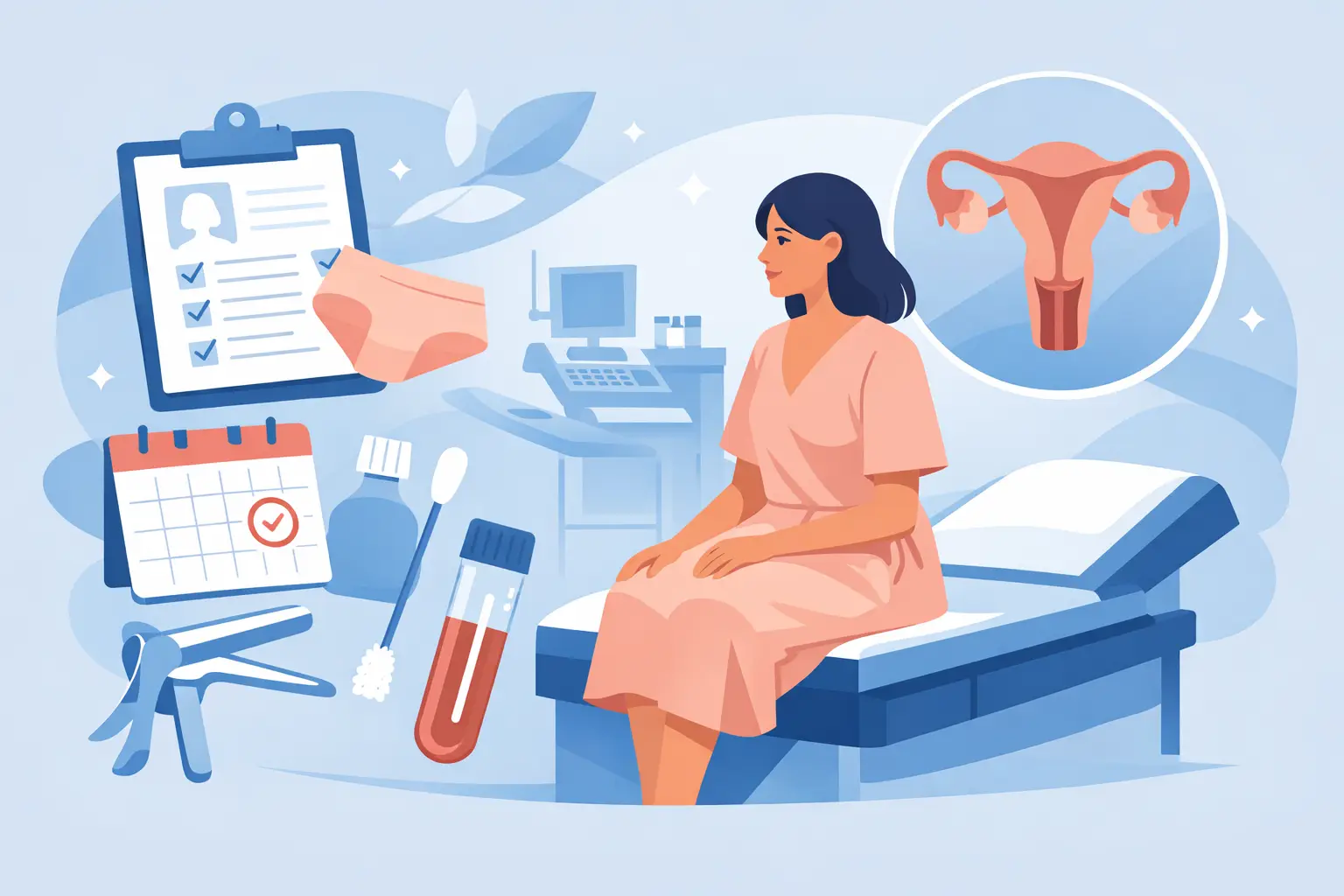
A lot of people put off cervical screening for one simple reason – they are not sure how to get ready, and they do not know what the appointment will feel like. If you are wondering how to prepare for pap test visits, the good news is that preparation is usually simple, and a little clarity can make the experience much less stressful.
A Pap test checks for changes in the cells of the cervix that could lead to cervical cancer over time. It is a routine part of preventive care, but that does not mean every patient feels relaxed about it. Some feel embarrassed, some worry it will hurt, and others are not sure whether they should reschedule because of their period, recent sex, or a current infection. These are common concerns, and they are worth asking about.
How to prepare for pap test visits
The best preparation starts one to two days before your appointment. In most cases, you will be asked to avoid sex, vaginal creams, spermicides, lubricants, and douching for 24 to 48 hours before the test. These can affect the sample and make it harder to get the clearest result.
If you use prescription vaginal medication, it is a good idea to ask the clinic whether you should continue it as usual or wait until after the test. The answer can depend on the medication and the reason you are using it. If you are unsure, calling ahead is the easiest way to avoid a wasted appointment.
Try to book the test for a day when you are not menstruating. Light spotting may not always prevent a Pap test, but heavier bleeding can interfere with the sample. If your period starts unexpectedly, contact the clinic and ask whether you should still come in. Sometimes the appointment can go ahead, and sometimes it is better to reschedule.
It also helps to empty your bladder before the exam. This is a small step, but it can make you more comfortable while you are lying on the exam table. Wear clothes that are easy to change in and out of if that helps you feel less rushed.
What to tell your provider before the test
A Pap test is quick, but context matters. Before the exam starts, let your provider know if you are pregnant, think you might be pregnant, have had unusual bleeding, pain, discharge, or a past abnormal Pap result. You should also mention if pelvic exams have been painful for you before, or if you have anxiety about the procedure.
This is especially important because the approach can sometimes be adjusted. A smaller speculum, a slower pace, or a few extra moments to explain each step can make a real difference. Good care is not just about getting the sample – it is about helping you feel respected and informed during the appointment.
If you have a history of trauma or significant anxiety, you can say that directly without going into detail. A simple statement such as, “I find pelvic exams difficult,” is enough to let the provider know they should proceed gently and communicate clearly.
What happens during a Pap test
For many patients, uncertainty is the hardest part. Knowing what to expect can reduce that tension.
You will usually change from the waist down and lie on an exam table with your feet positioned for the pelvic exam. The provider will gently insert a speculum into the vagina so they can see the cervix. Then they will collect a small sample of cervical cells using a soft brush or spatula. The sample is sent to a lab for testing.
The test itself is usually very short. The pressure from the speculum can feel uncomfortable, but it should not feel sharply painful. Some people feel mild cramping or pressure for a few seconds. If you do feel pain, tell the provider right away. Pain should not be ignored or brushed off.
Afterward, you may have mild spotting, especially if your cervix is sensitive. That can be normal. Most people return to their usual day right away.
What to avoid before a Pap test
If you are searching for how to prepare for pap test appointments, this is the part most people want spelled out clearly. In the 24 to 48 hours before your visit, it is generally best to avoid anything inserted into the vagina unless your provider has told you otherwise.
That includes tampons, vaginal creams, foams, jellies, suppositories, lubricants, and douching. It also includes penetrative vaginal sex. These can wash away or obscure cervical cells and affect the quality of the sample.
There are a few situations where the timing matters more. If you have active symptoms such as unusual discharge, burning, pelvic pain, or vaginal irritation, do not assume you should wait silently for the Pap test. Call the clinic. If you may have an infection, the provider may want to assess and treat that first, or they may decide to do both depending on the situation.
When to reschedule and when not to
There is no need to guess. If your appointment overlaps with your period, if you are using vaginal treatment, or if you have new symptoms, call ahead and ask. A quick conversation can save time and frustration.
In general, heavier menstrual bleeding is one of the most common reasons to move the appointment. A mild cold or being tired from a busy work week usually would not affect the test. Pregnancy does not always mean a Pap test must be postponed, but the timing should be guided by your provider.
If you have missed previous screening and now finally have a chance to come in, do not let fear of being imperfectly prepared stop you. Clinics deal with these questions every day. It is better to ask than to delay important preventive care for months.
Tips if you feel nervous
Feeling nervous is common, even if this is not your first Pap test. Some patients worry about discomfort. Others worry about results or simply feel vulnerable during intimate exams.
A few simple steps can help. Book a time when you are not rushing to work or childcare right after. Take slow breaths before the exam starts. Ask the provider to explain what they are doing before each step. If it helps, you can say you would prefer a slower approach.
It can also help to remember that this is a routine medical exam, not something you need to “perform” for. You do not need to wax, shave, or do anything special to your body beforehand. Your provider is focused on your health, not your appearance.
For patients with a busy schedule, convenience matters. Choosing a clinic with accessible appointments and clear communication can make it easier to follow through instead of postponing the visit again.
After the appointment
Once the test is done, there is usually very little you need to do. Mild spotting can happen, but most people feel normal right away. If you have heavy bleeding, significant pain, fever, or symptoms that feel out of the ordinary, contact a healthcare provider.
Results are not always immediate because the sample has to be processed. Ask when you can expect to hear back and how results will be shared. If you have had an abnormal result in the past, it is reasonable to ask what follow-up might look like before you leave the appointment.
A normal result does not always mean you will never need another test, and an abnormal result does not automatically mean cancer. Often, it means there are cell changes that need monitoring or further assessment. The next step depends on your age, screening history, and the exact result.
A practical note on staying up to date
Many adults delay screening because life gets busy. Work, parenting, transportation, and difficulty finding timely appointments can all get in the way. That is understandable. Preventive care is easy to postpone when there is no immediate pain or urgent symptom pushing you to act.
Still, routine screening works best when it happens on schedule. If you are due or overdue, booking the appointment and preparing properly can take a lot of uncertainty off your mind. At Seva Medical Clinic, the goal is to make care feel straightforward, respectful, and easy to access for patients who need practical support close to home.
If you have been putting it off, start with the simplest step: book the visit, ask your questions, and give yourself credit for taking care of your health.