A twisted ankle at soccer practice, a kitchen cut that will not stop bleeding, or a child who took a hard fall off a bike can turn an ordinary day into a stressful one fast. When you need a minor injury clinic Calgary patients can count on, the main question is usually simple – where should you go right now for safe, timely care without sitting for hours if it is not an emergency?
For many non-life-threatening injuries, a community medical clinic is the practical middle ground between waiting days for a regular appointment and going to the emergency room for something that does not require hospital-level care. The key is knowing what counts as a minor injury, what should be treated right away, and what signs mean you should skip the clinic and head straight to emergency care.
What a minor injury clinic in Calgary can help with
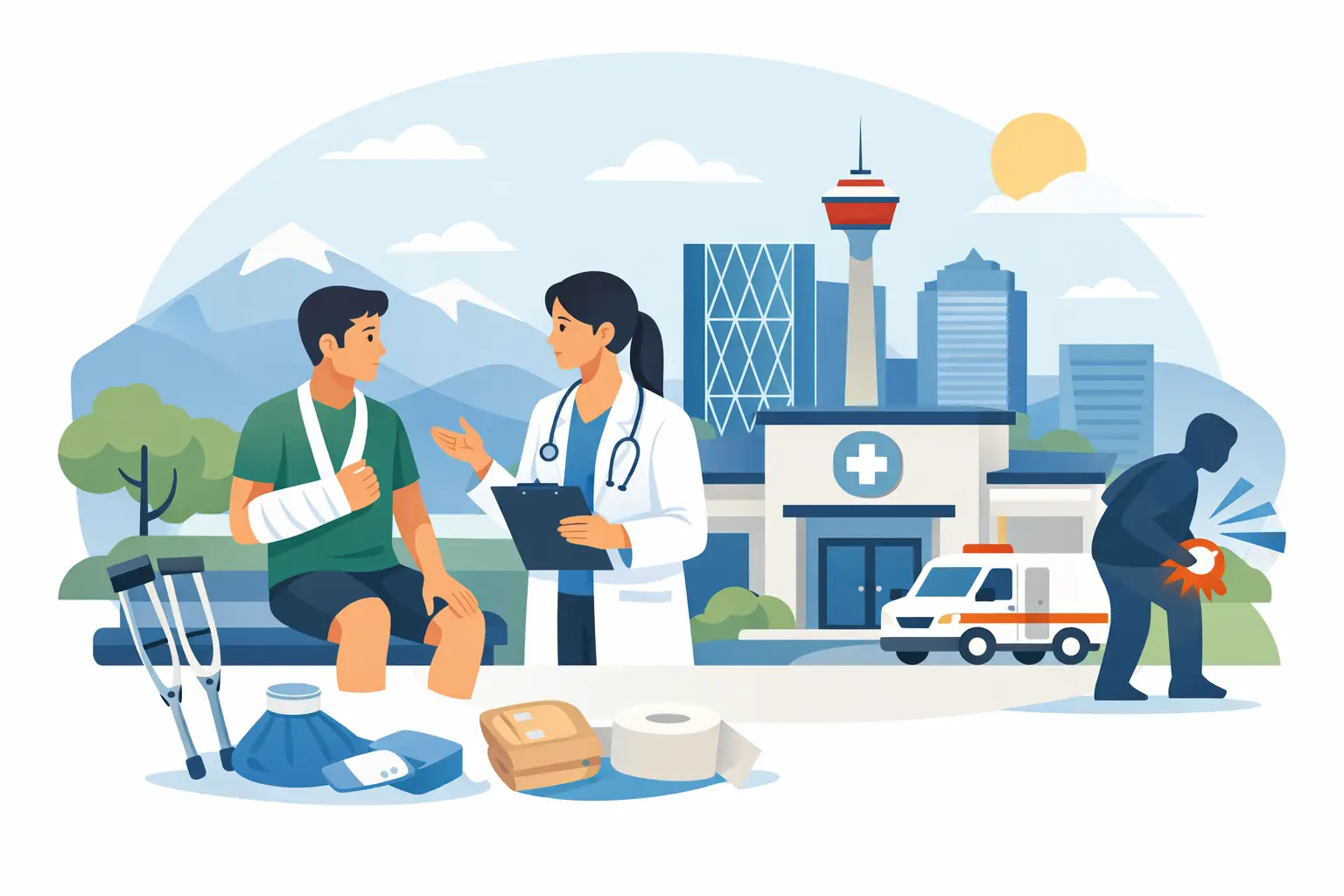
A minor injury clinic in Calgary is designed for injuries that need medical attention soon but are not immediately life-threatening. That can include sprains, strains, minor cuts, simple burns, bruising, mild concussions, small wounds that may need assessment, and injuries from slips, falls, sports, or workplace accidents.
This kind of care is especially helpful when the injury is painful, affecting movement, or not improving on its own. You may not need a hospital, but you still want a clinician to examine the area, check for signs of a more serious problem, recommend treatment, and help you avoid complications.
In a clinic setting, care often includes wound cleaning, bandaging, assessment of swelling and joint stability, pain management guidance, follow-up recommendations, and referrals for imaging or specialist care when needed. That last part matters. Not every minor injury is truly minor once it is examined.
When a clinic makes sense and when the ER makes more sense
This is where many people hesitate. They do not want to overreact, but they also do not want to ignore something serious.
A clinic is usually appropriate when the person is stable, alert, breathing normally, and dealing with an injury that is painful or urgent but not severe enough to suggest a medical emergency. If you can walk in, talk clearly, and the injury is localized, a clinic may be the right first stop.
The emergency room is the better choice if there is heavy or uncontrollable bleeding, a suspected major fracture or visible deformity, chest pain, severe head injury, loss of consciousness, difficulty breathing, signs of stroke, deep wounds, or severe burns. You should also go directly to emergency care after a serious motor vehicle collision or any injury involving the spine, neck, or significant trauma.
There is some grey area, and that is normal. A swollen wrist after a fall might be a sprain or a fracture. A bumped head might be fine or might need urgent evaluation depending on symptoms. If symptoms are escalating quickly, the safest option is to seek higher-level care.
Common injuries that should not wait a few days
Some injuries are easy to brush off because they happen all the time. But common does not always mean harmless.
An ankle sprain that causes immediate swelling and makes it hard to bear weight deserves prompt assessment. The same goes for a knee injury with instability, a shoulder injury that limits range of motion, or a cut that keeps reopening every time you move. Minor burns can also become more serious if they cover a large area, affect the face or hands, or start showing signs of infection.
Children need special attention because they may not explain symptoms clearly. A child who refuses to use an arm after a fall, cries when a limb is touched, or seems unusually sleepy after hitting their head should be seen promptly. Parents know when something feels off, and that instinct matters.
In adults, work and daily responsibilities often lead to delayed care. People wait until the next day, then the next. The trade-off is that swelling can worsen, wounds can become harder to close or manage, and pain can become more difficult to control. Early assessment usually leads to simpler treatment.
What to expect at a minor injury clinic Calgary patients visit
Most patients want the process to be straightforward. You arrive, your injury is assessed, and you leave with a clear plan.
In a typical visit, the medical team will ask how the injury happened, when it occurred, what symptoms have changed since then, and whether there are warning signs such as numbness, weakness, dizziness, fever, or increasing pain. They will examine the area carefully and decide whether the injury can be managed in clinic or whether further testing or referral is needed.
That practical approach is one reason many patients prefer a clinic for non-emergency injuries. You can get timely care, instructions for the next steps, and guidance on whether rest, medication, dressings, follow-up, or imaging is appropriate.
If your clinic also offers broader primary care, there is an added benefit. If the injury affects work duties, sports participation, or an existing health issue, your care does not have to feel disconnected. A clinic that handles both same-day concerns and ongoing family medicine can support the immediate problem and the recovery that follows.
Why convenience matters more than people think
When people search for a minor injury clinic Calgary residents can access quickly, they are rarely browsing casually. They are in pain, worried about a child, trying to fit care between shifts, or wondering whether they can wait until morning.
Convenience is not just a nice extra in those moments. It changes whether people seek care at all. Same-day access, extended evening hours, walk-in availability, and on-site pharmacy support can make treatment far more manageable for busy families and working adults.
This is especially true for injuries that happen after standard office hours. A cut at 8 p.m. or a fall after dinner still needs attention. A clinic that stays open later gives patients another option before things become more stressful overnight.
For communities in Southeast Calgary, practical access matters. People want medical care that fits real life – school pickups, shift work, family schedules, and transportation limitations. That is part of what makes community-based injury care valuable when it is done well.
A few signs your injury may be getting worse
Even if an injury seemed minor at first, symptoms can change. You should seek reassessment if swelling continues to increase, pain becomes severe, redness spreads, fever develops, or a wound starts draining pus. Numbness, tingling, weakness, or reduced circulation are also red flags.
Head injuries deserve extra caution. If someone develops repeated vomiting, confusion, worsening headache, unusual drowsiness, seizure activity, or behavioural changes after hitting their head, emergency evaluation is the right next step.
With sprains and strains, the problem is often not immediate danger but undertreatment. If you still cannot bear weight, move the joint, or return to normal use after a short period, there may be more going on than a simple soft tissue injury.
Choosing the right clinic for minor injuries
Not every walk-in setting offers the same experience. For minor injuries, look for a clinic that can assess urgent non-emergency concerns efficiently, explain next steps clearly, and provide continuity if your recovery needs follow-up.
That patient experience matters. People want respectful care, minimal delays, and answers they can understand. They also want to know what happens next if the injury needs imaging, dressing changes, medication, time off work, or reassessment.
A clinic like Seva Medical Clinic can be especially helpful for patients who want both immediate attention and access to broader primary care support. For families, that means one place for urgent concerns and ongoing care. For adults juggling work and home, it means less running around and a more practical path from injury to recovery.
The value of getting checked early
There is a common habit of waiting to see if things settle down on their own. Sometimes they do. Sometimes they do not.
The benefit of early assessment is not just peace of mind. It can reduce the chance of infection, prevent further strain on an injured area, and help you start the right treatment sooner. It can also identify when something that looked minor actually needs imaging, closer monitoring, or a different level of care.
Most people are not looking for perfect timing when they seek care. They are looking for a reliable next step. If an injury is painful, limiting movement, bleeding, swelling, or making you unsure what to do next, getting it assessed is usually the more practical choice.
If you are deciding whether to wait or get checked, it often helps to ask one question: will this be easier to manage tomorrow, or am I taking a chance by delaying care? When the answer is not clear, a trusted clinic visit can give you clarity and treatment before a small problem becomes a bigger one.