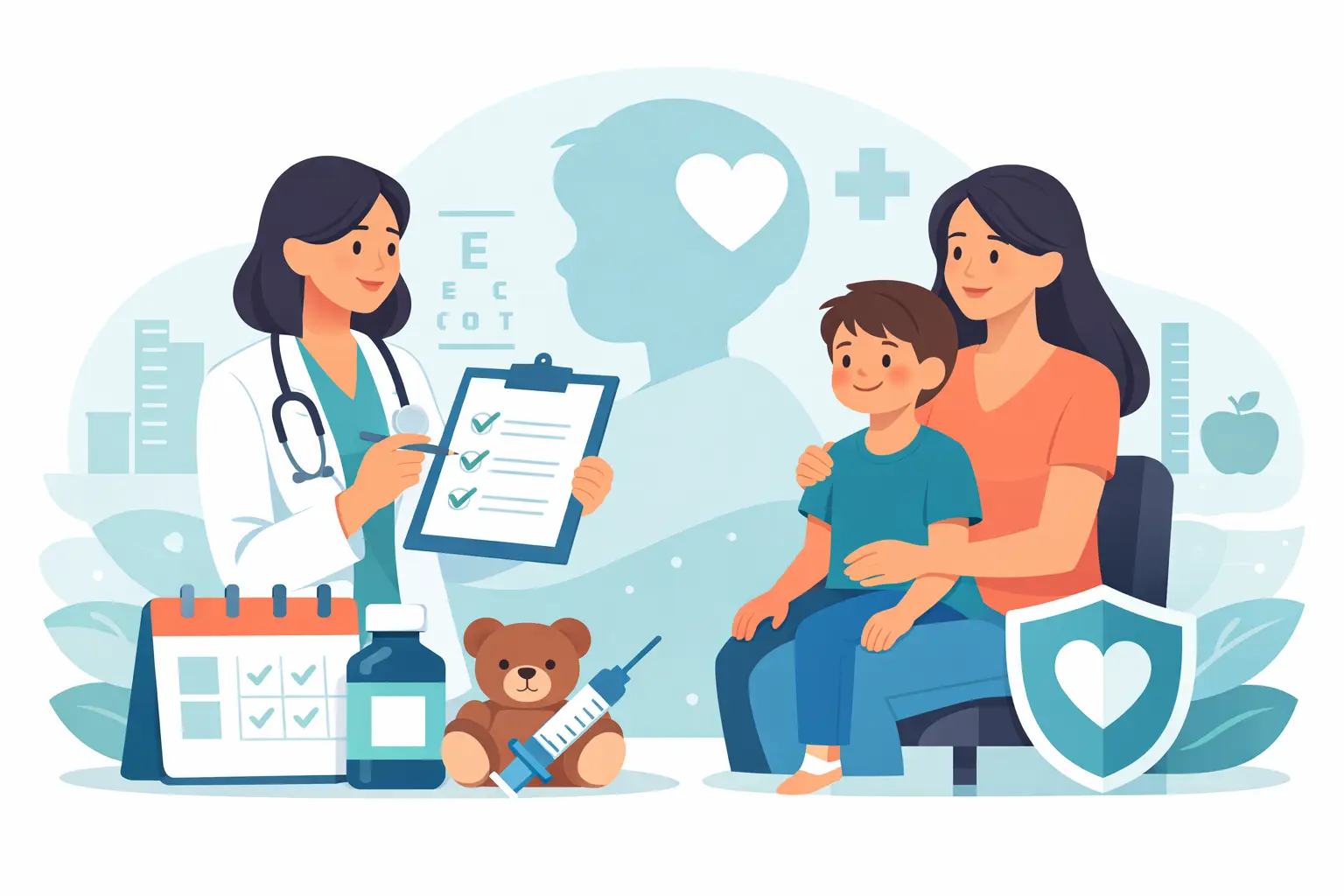
You remember the appointment time, pack snacks, and get everyone out the door – then the doctor asks when your child last had a fever, how sleep is going, or whether vaccines are up to date, and suddenly it is hard to recall the details. A good child wellness visit checklist helps turn a rushed appointment into a more useful one.
Well-child visits are not just for measuring height and weight. They are a chance to look at growth, development, behaviour, sleep, nutrition, school concerns, and preventive care before small issues become bigger ones. For busy parents, a little preparation can make the visit smoother and help you leave with clear answers.
What a child wellness visit checklist should cover
The best checklist is practical, not overwhelming. You do not need to bring a binder full of notes. You just need the basics that help your child’s provider understand the full picture.
Start with the reason for the visit, even if it is a routine checkup. If you have concerns about headaches, allergies, constipation, attention, mood, speech, or sleep, write them down ahead of time. Parents often remember the biggest concern in the parking lot after the appointment is over. A short note on your phone is usually enough.
It also helps to know your child’s recent health history. Think about any illnesses since the last visit, emergency or walk-in visits, new diagnoses, injuries, reactions to medications, or changes in daily routines. If another provider prescribed medication or recommended follow-up, bring that information with you.
Vaccination records matter too. In many cases, your clinic may already have them, but it is still helpful to know whether your child may be due for immunizations. If you are unsure, ask. Preventive visits are the right time to review what is current and what may be coming up next.
Before the appointment
A child wellness visit checklist works best when you prepare the day before, not five minutes before leaving home. Gather anything the clinic may need, including your child’s health card, a list of medications, and any forms for school, sports, daycare, or camp.
If your child takes prescription medication, vitamins, supplements, or over-the-counter products regularly, bring a list with names and doses. This includes inhalers, allergy medicine, topical creams, and sleep aids. Small details can affect care, especially if symptoms overlap with medication side effects.
For younger children, it is useful to note eating habits, bowel movements, toilet training progress, and sleep patterns. For school-aged children and teens, think about attention, screen time, physical activity, friendships, emotional well-being, and school performance. Not every issue needs medical treatment, but many are worth discussing.
If your child has more than one concern, rank them. That may sound formal, but it helps. A routine preventive visit can cover a lot, though time is still limited. If you start with the concern that matters most, your provider can address the top priority first and decide whether a follow-up is needed for the rest.
What to bring to your child wellness visit
Your child wellness visit checklist should include a few simple items that make the appointment more efficient:
- Alberta health card and any updated contact information
- Immunization record, if available
- Current medication list, including doses
- Notes about symptoms, questions, or changes since the last visit
- Forms for school, daycare, camp, or sports
- Glasses, hearing aids, or devices your child uses regularly
- A comfort item, snack, or quiet distraction for younger children
You may not need every item every time, but having them ready can save time and reduce stress.
Questions parents often forget to ask
Many parents focus on the immediate issue and forget to ask the questions that matter day to day. Preventive visits are a good time to ask whether your child’s growth is on track, whether sleep seems age-appropriate, how much picky eating is normal, or what signs would mean a concern needs follow-up.
If your child is starting school, changing schools, entering sports, or going through a developmental transition, bring that up. These milestones often affect sleep, stress, appetite, and behaviour. A child who seems “fine” at home may still be struggling with attention, anxiety, or social challenges.
It is also reasonable to ask what to monitor between visits. Sometimes the answer is reassuring – a phase may be normal and worth watching. Other times, your provider may recommend a timeline for follow-up, screening, or referral. Knowing the next step can spare a lot of uncertainty.
Age-specific points to include on your checklist
Not every child wellness visit checklist looks the same because a toddler’s needs are different from a teenager’s.
Babies and toddlers
For infants and toddlers, feeding, weight gain, sleep, milestones, bowel habits, and safety are usually front and centre. Parents often want to ask about starting solids, nap schedules, language development, rashes, teething, and frequent infections. If your child is in daycare, mention that too, since exposure to common viruses can change what is expected.
Preschool and school-aged children
For this age group, visits often focus on growth, hearing or vision concerns, toilet habits, nutrition, activity, and learning. Teachers sometimes notice patterns before parents do, especially with attention, speech, social development, or classroom behaviour. If a teacher has raised a concern, bring the details instead of trying to remember them from memory.
Teens
Teen visits need a little more space for independence. Questions may include sleep, mood, school stress, menstruation, sports participation, acne, nutrition, headaches, and mental health. Depending on the age and situation, part of the visit may happen one-on-one with the provider. That is a normal part of adolescent care and can help teens speak more openly.
How to make the appointment easier for your child
Preparation is not only about paperwork. It also helps to prepare your child in a calm, age-appropriate way. Younger children usually do better when they know what to expect – that the doctor may listen to their heart, look in their ears, check their height and weight, and ask a few questions.
Avoid promising that nothing will feel uncomfortable if vaccines might be due. It is better to be honest and reassuring. You can say that some parts may be quick and uncomfortable, but you will be there and the visit helps keep them healthy.
For anxious children, bringing a favourite toy or comfort item can help. For older kids, giving them a chance to ask their own questions often makes the visit feel less stressful and more respectful.
When a routine visit becomes more than routine
Sometimes a wellness visit uncovers something that needs closer attention. That does not mean something is seriously wrong. It may simply mean your child needs monitoring, testing, treatment, or another appointment to look at one issue in more detail.
This is where preparation helps most. If you can describe when symptoms started, how often they happen, what makes them better or worse, and whether they affect school, sleep, appetite, or activity, the provider can make better decisions. Vague concerns are common and understandable, but specifics make a difference.
It is also worth knowing that some concerns cannot be fully solved in one visit. Behaviour, learning, chronic constipation, recurrent headaches, sleep problems, and mental health concerns often need follow-up. That is not a failure. It is part of good care.
A simple child wellness visit checklist to keep on your phone
If you want one version to reuse each time, keep this short format in your notes app: reason for visit, recent illnesses or injuries, medications, vaccines, sleep, eating, school or daycare concerns, development or behaviour changes, and top three questions. That is often enough to cover the essentials without overcomplicating things.
For families with tight schedules, convenience matters. A clinic that offers accessible primary care, walk-in support, and family-focused follow-up can make it much easier to stay on top of routine visits instead of delaying them.
You do not need to arrive with every answer. You just need enough information to start the right conversation. A child wellness visit checklist keeps that conversation focused, helps your provider see the whole picture, and gives you a better chance of leaving with real clarity – not just a reminder slip for the next appointment.
If you have been putting off a checkup because life is busy, start simple: write down your concerns, gather the basics, and come in with your questions ready. That small bit of preparation can make a routine visit feel a lot more worthwhile.