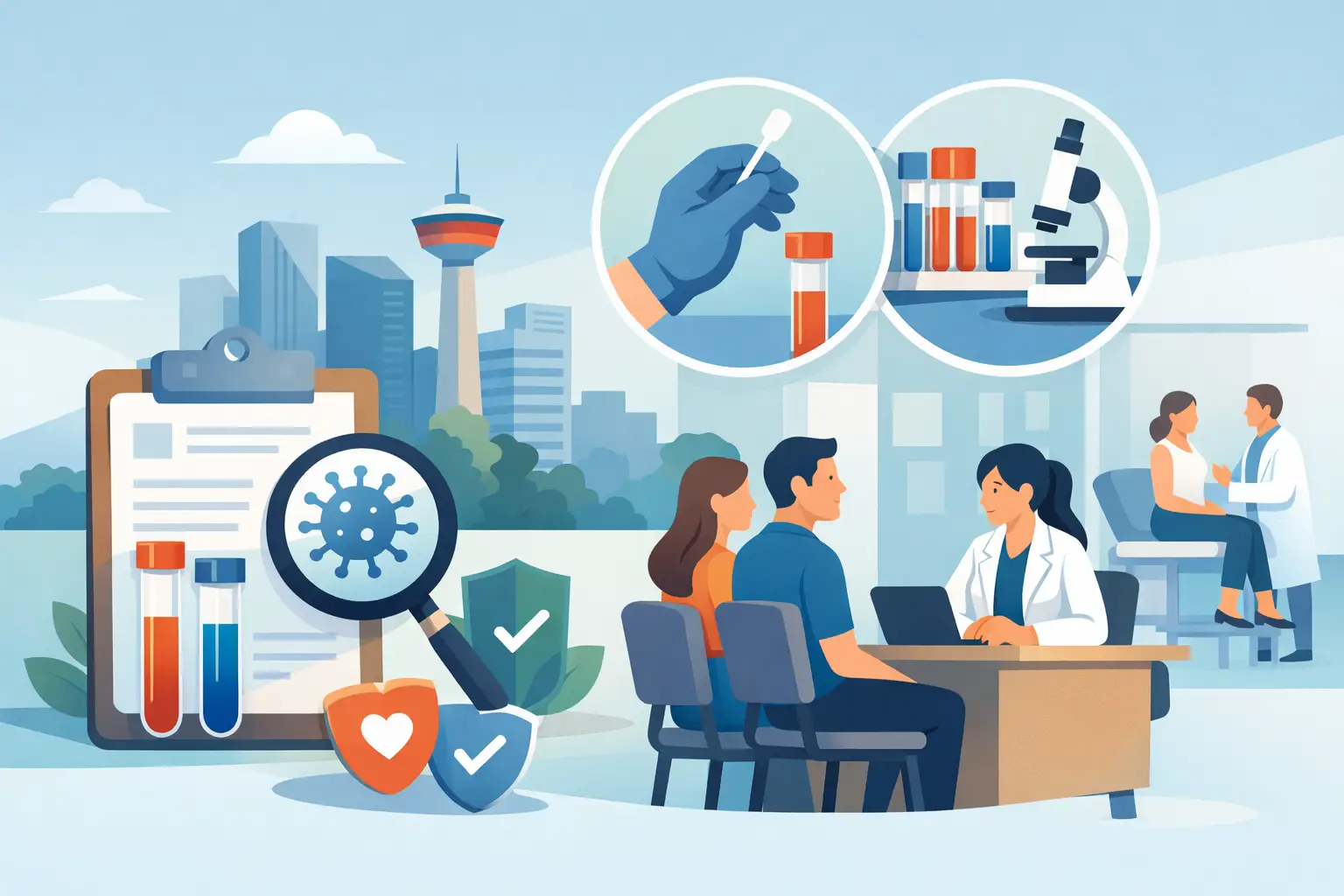
Most people do not book STI testing because it is convenient. They book because something feels off, a partner raised a concern, or they simply want peace of mind before moving forward in a relationship. In those moments, finding an std testing clinic Calgary patients can access quickly matters. Clear answers, respectful care, and timely follow-up can make the process feel far more manageable.
Testing for sexually transmitted infections is a routine part of healthcare, even though many people still feel uneasy about it. That hesitation is understandable. No one wants to feel judged, rushed, or left waiting for information. A good clinic experience should feel private, straightforward, and focused on your health – not your history.
How an STD testing clinic in Calgary can help
An STI test is not only for people with symptoms. In many cases, infections do not cause obvious signs right away. Some remain silent for weeks, months, or longer, which means someone can feel completely well and still benefit from testing.
That is why testing is often recommended after unprotected sex, after learning a partner may have an infection, before starting a new sexual relationship, or anytime symptoms appear. It can also be part of regular preventive care if you are sexually active. The right timing depends on the type of exposure, the infection being tested for, and whether you have symptoms now.
For many patients, the biggest barrier is not the test itself. It is the process. People want to know where to go, how long it will take, whether results are confidential, and what happens if something comes back positive. Those are practical concerns, and they deserve practical answers.
When to visit an std testing clinic Calgary patients can trust
There is no single reason people seek STI testing. Some come in because of symptoms such as unusual discharge, pain with urination, pelvic discomfort, sores, itching, or bleeding between periods. Others have no symptoms at all and want routine screening.
Pregnancy planning, prenatal care, and annual checkups can also be appropriate times to discuss testing. If you have had a new partner, multiple partners, or a condom failure, it may be wise to get assessed even if you feel fine. If a partner tells you they tested positive, getting tested promptly is the safest next step.
Timing matters, though. Some infections can be detected sooner than others. Testing too early after exposure may not always give the clearest answer, which is why a clinician may recommend testing now, repeat testing later, or both. That is one reason an in-person medical visit can be helpful – you get advice based on your situation rather than guesswork.
What happens during the appointment
Most visits start with a short conversation about your symptoms, recent sexual history, and any known exposure. This is a medical discussion, not a personal judgment. The goal is to decide which tests are appropriate and whether you need treatment right away.
Depending on your symptoms and the infection being assessed, testing may involve a urine sample, bloodwork, a swab, or a physical exam. Not every patient needs every test. If you have symptoms, the clinician may also check for non-STI causes, because irritation, urinary symptoms, and pelvic pain can come from more than one condition.
In some situations, treatment may begin before results are back, especially if symptoms strongly suggest a bacterial infection or there is a clear exposure history. In other cases, waiting for lab confirmation makes more sense. It depends on the likely diagnosis, the severity of symptoms, and the risk of delaying care.
Privacy, confidentiality, and peace of mind
One of the biggest concerns patients have is confidentiality. That concern is common, and it is valid. STI testing is personal healthcare, and clinics should treat it that way.
A professional clinic visit should be discreet and respectful from start to finish. You should be able to ask questions openly, understand what is being tested, and know how results will be shared. If treatment is needed, you should also be told what comes next, including follow-up, symptom monitoring, and whether partners should be informed or tested.
For some patients, the emotional side of testing is harder than the medical side. Waiting for results can be stressful. If you are feeling anxious, it helps to remember that testing is a responsible step. Early diagnosis often means simpler treatment, fewer complications, and less chance of passing an infection to someone else.
Why fast access matters for STI concerns
When you are worried about an infection, waiting several days just to be assessed can feel like a long time. Symptoms may be uncomfortable, and uncertainty can quickly become overwhelming. Fast access to care matters because it shortens that period of stress and helps patients take action sooner.
Same-day or walk-in access can be especially useful if you have new symptoms, need advice after an exposure, or want testing before the weekend turns into a longer delay. Evening availability also helps people who work during regular business hours, care for children during the day, or simply cannot afford to miss work for an appointment.
This is where a practical community clinic makes a difference. Patients often need care that fits real life – not a process that adds more delay. At Seva Medical Clinic, STI concerns can be addressed in a setting designed for accessible primary and walk-in care, which is especially helpful when you want answers without a long wait.
What happens if results are positive
A positive result can feel upsetting at first, but many STIs are treatable and manageable. The most important next step is follow-up care. Depending on the infection, treatment may involve antibiotics, antiviral medication, monitoring, repeat testing, or partner notification.
Not every diagnosis is handled the same way. Some infections are cured with treatment. Others can be controlled and monitored over time. Your clinician should explain what the result means, how treatment works, how long to avoid sexual contact if needed, and when follow-up testing is recommended.
This is also the time to ask practical questions. Can you pick up medication right away? When should a partner be tested? What symptoms should improve, and how soon? Good care means you leave with a clear plan, not more confusion.
What happens if results are negative
A negative result is often reassuring, but it does not always end the conversation. If testing was done very soon after exposure, repeat testing may still be recommended depending on the infection. If symptoms continue, your clinician may look at other causes or order additional testing.
That is why context matters. A lab result is useful, but it is only one part of the clinical picture. Ongoing symptoms, timing, risk factors, and past medical history all shape what should happen next.
For patients, the takeaway is simple: if something still does not feel right, keep the conversation going. Reassurance is helpful, but so is a plan for what to do if symptoms persist or return.
Choosing the right clinic for STI testing
If you are looking for testing, convenience should not come at the expense of good medical care. A useful clinic offers more than a lab requisition. It gives you timely access, a respectful conversation, and follow-through if treatment or repeat testing is needed.
That means looking for a clinic that can assess symptoms, explain testing options clearly, and support both one-time concerns and ongoing primary care needs. For some people, a walk-in visit is enough. For others, especially if symptoms are recurring or connected to broader reproductive or sexual health concerns, continuity matters.
The best clinic for you depends on what you need today. If you want quick screening with minimal disruption, speed and access may be your top priorities. If you are dealing with recurring symptoms, partner-related concerns, or questions about contraception, pregnancy, or general health, a clinic with broader primary care support may be a better fit.
Seeking STI testing is a normal part of taking care of yourself. If you have symptoms, concerns after an exposure, or simply want clarity, getting checked is a practical step – and often a relieving one once you have a plan.