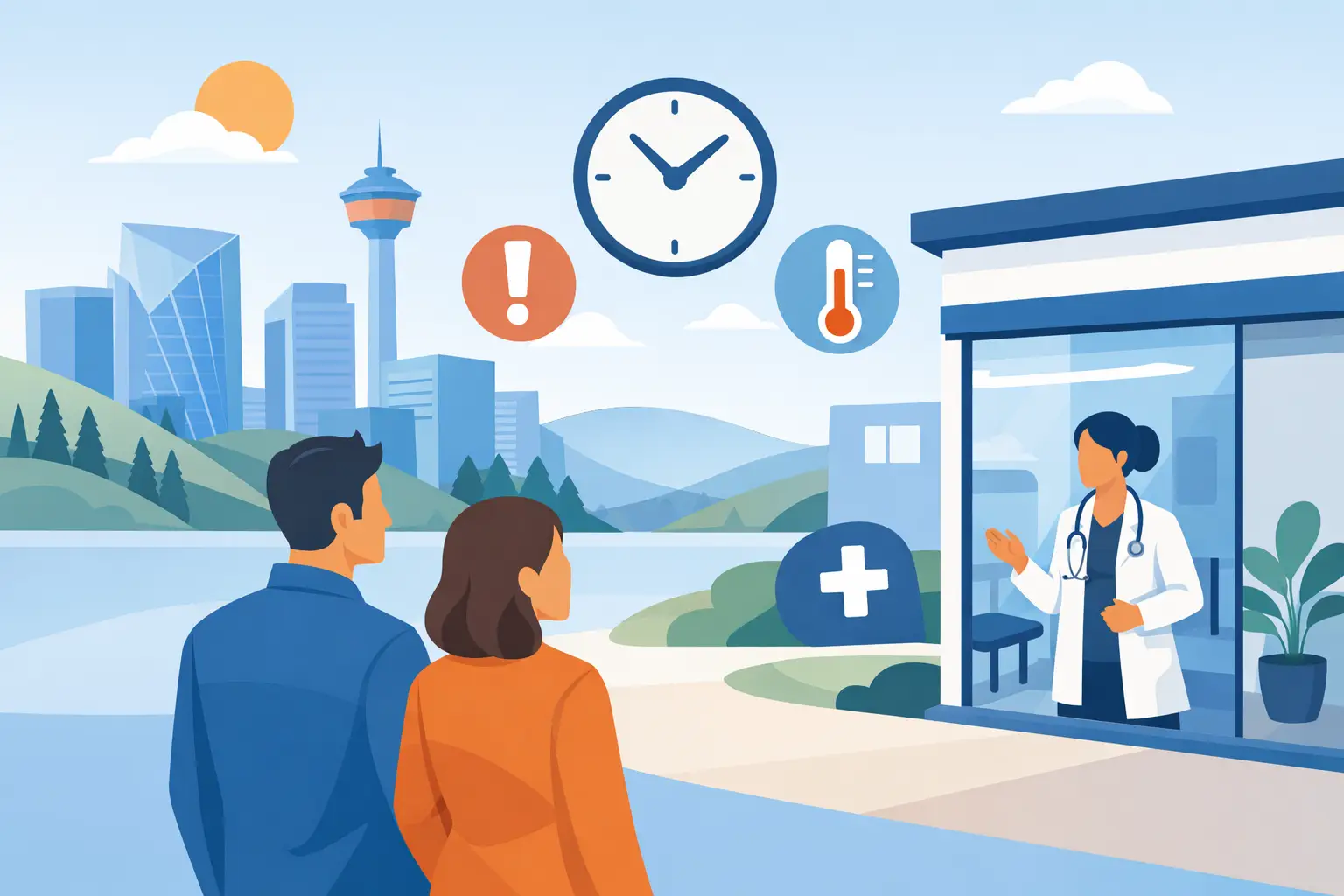
A sore throat that gets worse by dinner. A child with a fever at 8 p.m. A rash that showed up this morning and is spreading fast. These are the moments when people start wondering when to visit walk in care instead of waiting for a regular appointment.
For many everyday health concerns, walk-in care is the right middle ground. It gives you access to prompt medical attention for non-emergency issues without the delay of booking days later, and without using the emergency room for something that is not life-threatening. If you are trying to decide what makes sense for your symptoms, the answer often comes down to urgency, severity, and how soon you need treatment.
When to visit walk-in care
Walk-in care is a practical choice when your concern needs medical attention soon, but it is not an emergency. That includes symptoms that are uncomfortable, getting worse, or affecting your ability to work, sleep, care for your child, or get through the day.
Common reasons to visit a walk-in clinic include fever, cough, sore throat, ear pain, sinus symptoms, minor infections, rashes, mild asthma concerns, urinary symptoms, stomach upset, headaches, sprains, minor cuts, and skin issues. It can also be the right option when you need an assessment for a child who is unwell, a medication refill that cannot wait, or support for a health issue that has changed suddenly.
Walk-in care is especially helpful when your regular doctor is unavailable, your symptoms started outside normal office hours, or you need same-day advice. For busy parents and working adults, timing matters. Waiting several days for an appointment is not always realistic when symptoms are escalating now.
When not to wait for a family doctor appointment
There are many situations where booking ahead makes sense. Preventive exams, ongoing chronic disease follow-up, routine prescription reviews, and longer conversations about health planning are often better handled through a scheduled visit with a family physician.
But some concerns should not be pushed to next week just because they are not dramatic. If you have a painful ear infection, a worsening cough, a possible urinary tract infection, vomiting that is not improving, or a child with symptoms that need assessment today, walk-in care may be the better choice.
The main question is simple: can this safely wait, or do you need answers today? If waiting feels like it could lead to more pain, more disruption, or a higher chance of complications, being seen sooner is usually the right call.
Walk-in care vs emergency care
This is where many patients hesitate, and understandably so. Nobody wants to underreact, but nobody wants to spend hours in emergency for a non-emergency issue either.
Walk-in care is meant for urgent but non-life-threatening concerns. Emergency care is for severe or potentially life-threatening symptoms that need immediate hospital-level treatment. That includes chest pain, severe difficulty breathing, signs of stroke, major injuries, heavy bleeding, seizures, severe allergic reactions, head trauma, or sudden severe abdominal pain.
If your symptoms are serious, sudden, or dangerous, go to the emergency department or call 911. If the issue needs prompt medical care but does not appear life-threatening, a walk-in clinic is often the appropriate place to start.
There is some grey area, and that is normal. For example, a mild asthma flare may be appropriate for walk-in assessment, while severe breathing trouble is an emergency. A minor cut can be treated in clinic, while deep bleeding wounds need emergency care. It depends on how intense the symptoms are, how quickly they are changing, and whether you are having trouble functioning safely.
Good reasons to use walk-in care after hours
Health problems rarely show up at a convenient time. Symptoms often get worse in the evening, after school, or just as your workday ends. That is one reason after-hours walk-in access matters so much for families and working adults.
If you wake up with symptoms, you may be able to watch and wait for a few hours. But if you are still unwell by late afternoon, or your child spikes a fever after dinner, it may not make sense to hold off until the next day. Evening access can help you get treatment sooner, start the right medication if needed, and avoid a rough night of uncertainty.
This is also true for issues like pink eye, rashes, minor injuries, persistent coughs, ear pain, and nausea. They may not justify an emergency visit, but they still deserve timely attention. A clinic with extended evening hours can make the difference between guessing at home and getting clear advice the same day.
What walk-in clinics are well suited to treat
Walk-in care works best for concerns that need assessment, diagnosis, and treatment in an outpatient setting. That includes many routine but time-sensitive conditions across primary care.
Respiratory infections, sore throats, flu-like symptoms, ear infections, sinus infections, mild skin infections, allergic reactions without severe breathing problems, gastrointestinal concerns, and mild injuries are all common examples. Many clinics can also help with pediatric concerns, women’s health issues, men’s health questions, mental health support, pain concerns, and preventive needs that cannot wait long.
Some patients also use walk-in care when they are between family doctors, new to the area, or still looking for a clinic that can provide continuity over time. In those cases, a clinic that offers both walk-in access and family practice can be especially useful. It allows you to get care now without giving up the option of building an ongoing relationship later.
Signs you should be seen sooner rather than later
Not every symptom starts as urgent, but some become more concerning with time. A good rule is to pay attention to worsening pain, rising fever, dehydration, spreading rash, persistent vomiting, increasing cough, painful urination, or symptoms that are interfering with sleep, eating, or normal daily function.
For children, parents often notice the difference before they can explain it. Low energy, poor feeding, unusual fussiness, fewer wet diapers, worsening fever, or a child who just does not seem like themselves are all reasons to seek medical advice promptly.
Adults sometimes wait too long because they are trying to fit care around work and responsibilities. That is understandable, but delaying assessment can turn a manageable problem into a more complicated one. If you have been hoping it will settle down and it is clearly not improving, that is often the point when a walk-in visit makes sense.
What to expect when you visit walk-in care
A good walk-in experience should feel straightforward. You come in with a concern that cannot wait, explain your symptoms, and receive a timely assessment from a physician or qualified provider. Depending on the issue, that may include an exam, treatment plan, prescriptions, medical advice, follow-up recommendations, or direction to a higher level of care if needed.
For many patients, convenience matters almost as much as clinical care. Extended hours, same-day access, and on-site pharmacy support can make the process much easier, especially when you are unwell or caring for someone who is. That practical side of care is not a luxury. It is part of what helps people actually get treated when they need it.
At Seva Medical Clinic, that approach matters because patients are often balancing symptoms with work, childcare, transportation, and the stress of not knowing what to do next. Accessible care helps reduce that burden.
Choosing the right care at the right time
The best time to visit walk in care is when your health concern needs prompt attention, but not emergency intervention. If you are uncomfortable, symptoms are progressing, or waiting for a future appointment feels unrealistic, a walk-in clinic is often the right next step.
There will always be cases where the answer depends on the person, the symptom, and the timing. But for many non-emergency issues, same-day care is not overreacting. It is simply practical healthcare.
If something does not feel right, getting assessed early can bring relief, clarity, and a safer plan for what comes next.