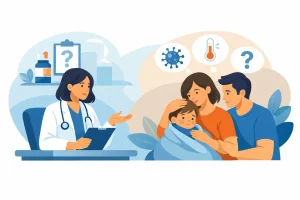
You wake up with a deep cough, a fever, and a child who says their ear hurts. Or you twist your ankle after work and cannot tell whether it is a simple sprain or something more serious. In moments like these, knowing the difference between urgent care vs emergency room can save time, reduce stress, and help you get the right level of care faster.
For many Calgary families and working adults, the question is not whether care is needed. It is where to go. The emergency room is built for life-threatening and severe medical problems. Urgent care and walk-in medical clinics are there for health concerns that need prompt attention but are not true emergencies. That difference matters, especially when you are trying to make a good decision quickly.
Urgent care vs emergency room: the main difference
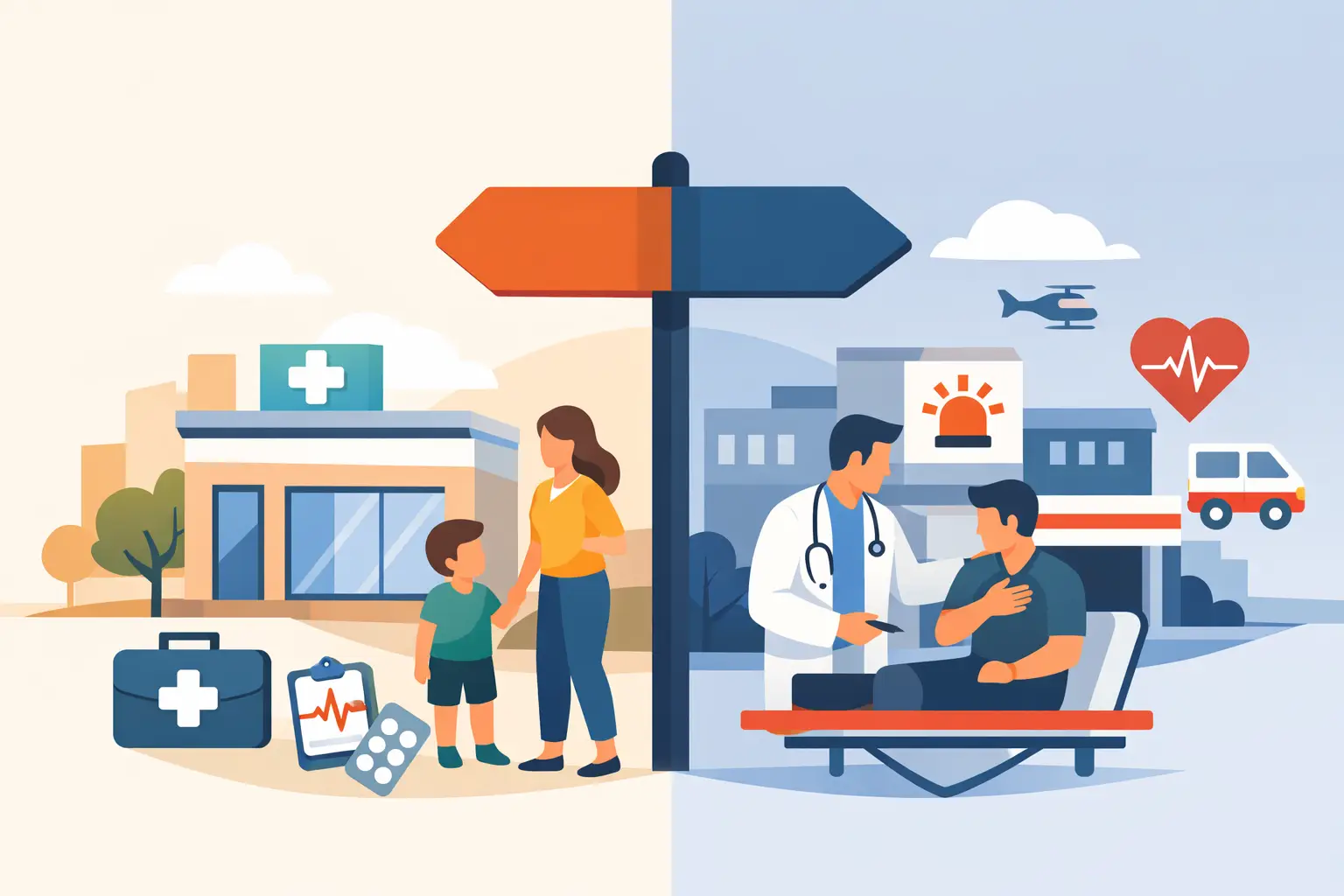
The simplest way to think about urgent care vs emergency room is severity. If a condition could threaten life, limb, or long-term function, the emergency room is the right place. If you need same-day medical attention for a problem that is uncomfortable, worsening, or cannot wait for a routine appointment, urgent care is often appropriate.
An emergency room is designed and staffed for critical situations. This includes heart attacks, strokes, severe breathing problems, major injuries, heavy bleeding, and sudden neurological symptoms. Hospitals have access to advanced imaging, emergency surgery, specialist teams, and intensive monitoring.
Urgent care or a walk-in clinic fills the space between your family doctor and the ER. It is meant for problems that should be assessed soon, but do not require hospital-level emergency treatment. That can include infections, minor injuries, rashes, fevers, dehydration that is mild, urinary symptoms, and many common concerns in children and adults.
When the emergency room is the right choice
Some symptoms should never be delayed. If you or someone with you has chest pain, severe shortness of breath, signs of stroke, a seizure, loss of consciousness, a major head injury, or uncontrolled bleeding, go to the emergency room right away or call 911.
The same applies to serious trauma, sudden confusion, blue lips, severe burns, poisoning, and possible broken bones with visible deformity or loss of circulation. A child who is very difficult to wake, struggling to breathe, or showing signs of severe dehydration also needs emergency care.
One of the hardest parts of deciding is that symptoms can look mild at first and still become serious. Abdominal pain is a good example. Sometimes it is indigestion. Sometimes it is appendicitis, gallbladder disease, or something else that needs hospital testing. If pain is intense, rapidly worsening, or paired with fainting, vomiting, a rigid abdomen, or blood, the ER is safer.
When urgent care makes sense
Urgent care is often the better fit when you need prompt treatment, but the issue is stable enough to be managed outside a hospital. If you have a sore throat that may be strep, an ear infection, pink eye, a painful cough, a bladder infection, a mild asthma flare, or a minor cut that may need stitches, urgent care can usually help.
The same is true for many sprains, strains, mild burns, rashes, allergic reactions without breathing trouble, and fevers that need assessment but are not causing severe distress. Parents often use urgent care for childhood illnesses that come on fast in the evening or on weekends, when waiting several days to be seen is not practical.
This is where a community clinic can be especially helpful. A clinic such as Seva Medical Clinic is set up for timely non-emergency care, which means patients can be assessed quickly for common medical issues without defaulting to the hospital for every urgent concern.
Why people often choose the ER when they do not need to
Most people do not go to the ER by mistake because they are careless. They go because they are worried, uncomfortable, in pain, or unsure how serious a symptom might be. That is understandable. Health decisions are harder when they involve your child, happen late at night, or start suddenly.
There is also a practical side. Many patients have trouble getting same-day appointments, especially after work or outside standard clinic hours. If your regular doctor is unavailable and your symptoms cannot wait, the hospital can feel like the only option.
But there is a trade-off. Emergency rooms triage by severity, not arrival time. If your condition is not life-threatening, you may wait much longer than you would at an urgent care clinic. That does not mean your concern is unimportant. It simply means someone with a more critical issue must be seen first.
Common symptoms and where to go
Some situations are more straightforward than others. A high fever with mild cold symptoms may be suitable for urgent care, while a high fever with difficulty breathing, confusion, or a very ill-looking child needs emergency evaluation. A cut on the hand may be handled at urgent care if bleeding stops with pressure, but a deep wound with heavy ongoing bleeding belongs in the ER.
An ankle injury can also go either way. If you can bear some weight, swelling is moderate, and the foot is warm and pink, urgent care is often reasonable. If the joint looks badly deformed, the pain is extreme, or you have numbness or poor circulation, go to the emergency room.
Breathing symptoms deserve extra caution. A cough, wheezing, or a sore chest from a viral illness may be appropriate for urgent care. Severe shortness of breath, blue lips, chest pressure, or sudden trouble breathing are emergencies.
This is where context matters. The right setting depends on the symptom itself, how fast it appeared, your age, your medical history, and whether things are getting worse.
What urgent care can offer beyond convenience
People sometimes think of urgent care only as the faster option, but speed is not the only benefit. For non-emergency problems, urgent care can be a more appropriate clinical setting. It allows for focused assessment, treatment, prescriptions when needed, and guidance on what to watch for next.
That follow-up guidance matters. A good urgent care visit does not only address the current problem. It helps you understand whether symptoms should improve at home, whether you need reevaluation, and when your condition crosses the line into needing emergency treatment.
For patients who also want continuity, a clinic that offers both walk-in access and family medicine can make the experience less fragmented. That is especially helpful for recurring infections, asthma management, pain concerns, children’s health issues, and ongoing conditions that need both urgent attention and follow-up.
How to decide when you are unsure
If you are torn between urgent care vs emergency room, start with two questions: Is this potentially life-threatening? Is the person stable right now? If the answer to either question is no or you are seriously worried about breathing, consciousness, stroke symptoms, heavy bleeding, or severe trauma, choose the ER.
If the person is stable but still needs care today, urgent care is often the best first step. This is particularly true for minor injuries, infections, fever, vomiting without severe dehydration, rashes, ear pain, and other common same-day concerns.
Trust your instincts, but pair them with specific warning signs. Parents and caregivers often notice when a child is not acting like themselves. Adults usually know when pain or weakness feels out of proportion. If something seems dramatically wrong, do not delay emergency care just to avoid a wait.
At the same time, not every urgent problem needs a hospital. Choosing the right level of care can help you get seen sooner, reduce pressure on emergency departments, and make the whole experience less overwhelming.
A practical rule for Calgary patients
If you are dealing with a serious or possibly life-threatening condition, go to the emergency room. If you need prompt help for a non-life-threatening illness or injury, urgent care or a walk-in clinic is often the better choice. That simple rule will not answer every situation, but it covers most of them.
Healthcare decisions are rarely convenient. They happen before school, after work, during dinner, or late at night when symptoms get worse. Knowing where to go does not remove the stress completely, but it gives you a clearer next step – and sometimes that is exactly what you need most.