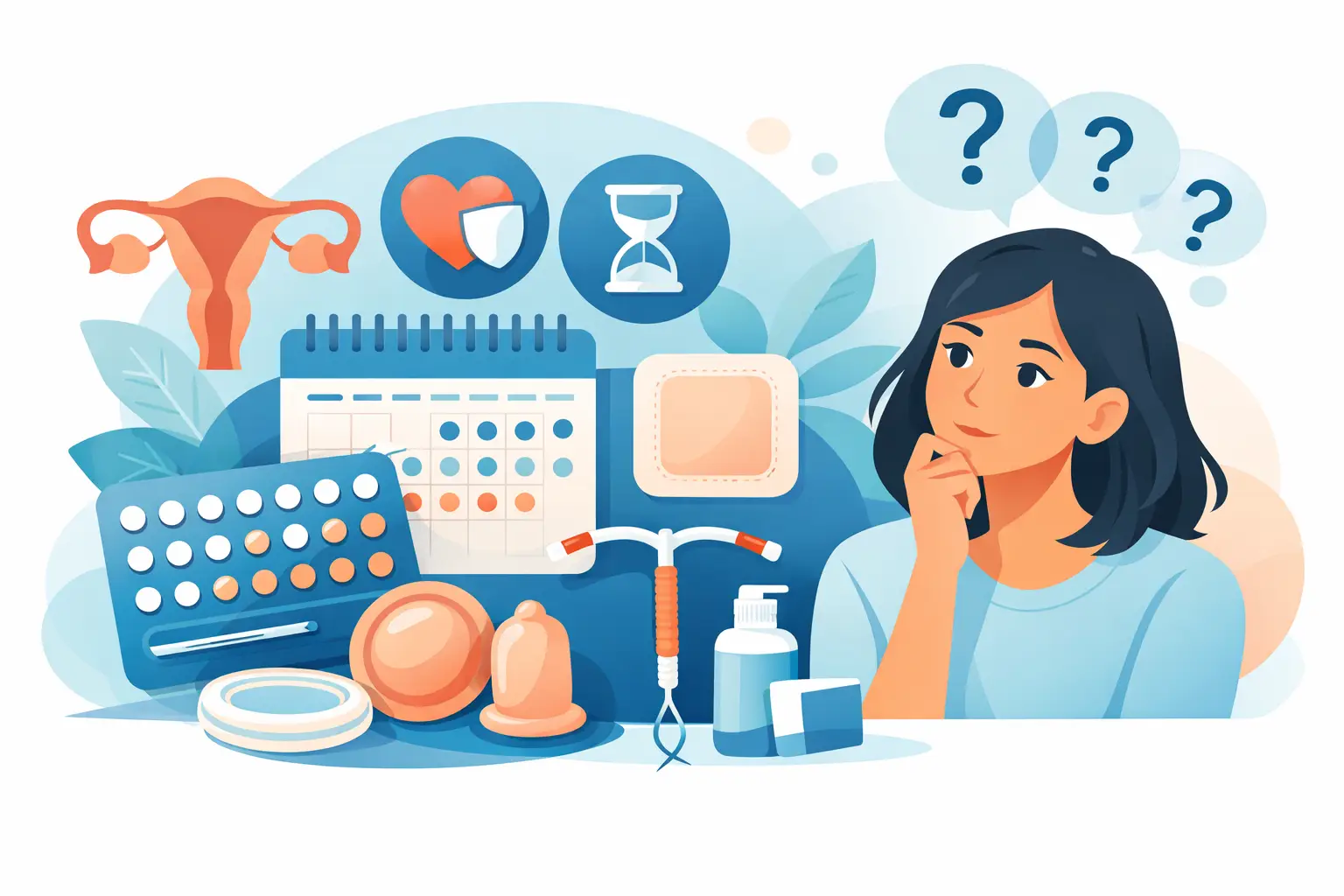
A birth control decision can feel urgent when a prescription is running out, a condom breaks, or your plans and relationships change. But many questions about birth control options are not emergencies – they are a chance to choose a method that fits your health, comfort, routine and plans for pregnancy. A conversation with a primary care provider can replace guesswork with clear, practical information.
Start with what you need from birth control
There is no single “best” method for everyone. Some people want the highest possible protection against pregnancy with very little day-to-day effort. Others want a non-hormonal option, more predictable periods, help with painful or heavy bleeding, or a method they can stop on their own at any time.
It also helps to consider your timeline. Are you trying to avoid pregnancy for a few months, several years, or until you are ready to try for a baby? Do you need a method that is private, easy to access, or compatible with an unpredictable work schedule? These details are not minor. They often point you toward a method that is more realistic to use consistently.
A clinician will also ask about your medical history, medications, smoking or vaping, migraines, blood pressure, past blood clots, pregnancy history and menstrual symptoms. This is not about judgment. It helps identify which options are safe and appropriate for you.
Questions about birth control options to bring to your visit
You do not need to arrive with every answer. Bringing a few focused questions can make the appointment more useful and help you feel confident about the plan.
How effective is it in real life?
Birth control effectiveness can differ between perfect use and typical use. A pill may work very well when taken at the same time every day, but missed doses can reduce its protection. A long-acting method such as an intrauterine device, often called an IUD, or a contraceptive implant does not depend on a daily reminder, so it may be a better fit for someone who finds routines difficult.
Ask what happens if you miss a dose, are late for an injection, vomit after taking a pill, or have trouble getting a refill. Knowing the backup steps ahead of time can prevent unnecessary stress.
Does it protect against sexually transmitted infections?
Most birth control methods prevent pregnancy but do not protect against sexually transmitted infections, or STIs. External condoms and internal condoms can reduce STI risk when used correctly. For many people, condoms plus another reliable method provide both pregnancy prevention and STI protection.
If you have a new partner, more than one partner, or are unsure of a partner’s testing status, ask about STI testing and safer-sex options at the same visit. This is a routine part of sexual health care.
What side effects are common, and which symptoms need care?
Every method has potential benefits and side effects. Hormonal options may change bleeding patterns, breast tenderness, acne, mood or headaches. Some people have lighter, less painful periods. Others may have spotting, particularly during the first few months after starting or changing a method.
Ask what is expected during the adjustment period and when to contact a provider. Severe chest pain, shortness of breath, sudden severe headache, vision changes, leg swelling, severe abdominal pain or very heavy bleeding need prompt medical assessment. These symptoms are uncommon, but it is helpful to know what should not be ignored.
Could this method help with my periods or other symptoms?
Birth control can be chosen for more than pregnancy prevention. Some hormonal methods may help reduce heavy bleeding, cramping, cycle-related symptoms or acne. The right option depends on the symptom, your health history and your preferences.
Be direct about what is affecting your day-to-day life. For example, missing work or school due to cramps, changing pads or tampons very frequently, or having bleeding between periods is worth discussing. A provider can assess whether birth control is appropriate and whether other causes need to be considered.
How soon does it work, and how quickly can fertility return?
Timing varies by method and by when in your menstrual cycle you begin. Some options work right away in certain circumstances, while others require backup contraception, such as condoms, for a short period. Ask for clear instructions before you leave.
For most methods, fertility returns soon after stopping. However, the timing can vary, especially after the contraceptive injection. If you may want to become pregnant in the near future, say so. Your provider can help you compare options with that goal in mind.
Understanding the main types of birth control
Short-acting hormonal methods include birth control pills, patches, vaginal rings and injections. These can be a good choice if you want control over starting and stopping, but they require regular attention. The schedule varies by method, from daily to weekly, monthly or every few months.
Long-acting reversible contraception includes IUDs and implants. These methods are placed by a trained health professional and can provide pregnancy prevention for years, depending on the product. They are reversible, meaning they can be removed when you decide you want to stop. Some IUDs contain hormones and may make periods lighter; copper IUDs are hormone-free but may make periods heavier or more crampy for some people, especially at first.
Barrier methods include condoms, internal condoms, diaphragms and cervical caps. Their availability, fit and ease of use vary. Condoms are particularly valuable because they are the option that also helps reduce STI transmission.
Permanent contraception, such as vasectomy or tubal surgery, is intended for people who are certain they do not want a future pregnancy. It is a significant decision and should be discussed carefully. Fertility awareness methods and withdrawal are options some people use, but they require close attention and generally carry a higher chance of pregnancy with typical use than long-acting methods.
The practical details matter
A method can be medically suitable and still not be the right choice for your life. Consider cost, prescription coverage, pharmacy access, appointment timing and whether you are comfortable with a procedure. In Alberta, coverage can depend on your health benefits and the specific medication or device. A clinic team or pharmacist can help clarify practical next steps.
If privacy is a concern, raise it. If you work evenings, travel often, care for children, or worry that you will forget a daily pill, say that too. Good care accounts for real life, not an ideal schedule.
It is also reasonable to change your mind. A method that worked well at 22 may not suit you after having a baby, developing new health concerns, entering a new relationship, or simply deciding you want something different. Birth control is not a one-time decision.
When you may need prompt care
Emergency contraception may be an option after unprotected sex, a condom break, missed pills or another contraceptive problem. It works best when accessed as soon as possible, and the appropriate option depends on timing and your circumstances. A pharmacist or healthcare provider can advise you quickly.
Seek urgent medical attention for severe pelvic pain, fainting, heavy bleeding, a positive pregnancy test with pain or bleeding, or concerning symptoms after starting a new method. For non-emergency questions, timely primary care can help you avoid running out of medication or managing side effects alone.
At Seva Medical Clinic, patients can discuss contraception, prescriptions, menstrual concerns and sexual health with a provider in a respectful, practical setting. The most useful next step is often simply booking a visit, sharing what matters to you, and leaving with a plan you understand.