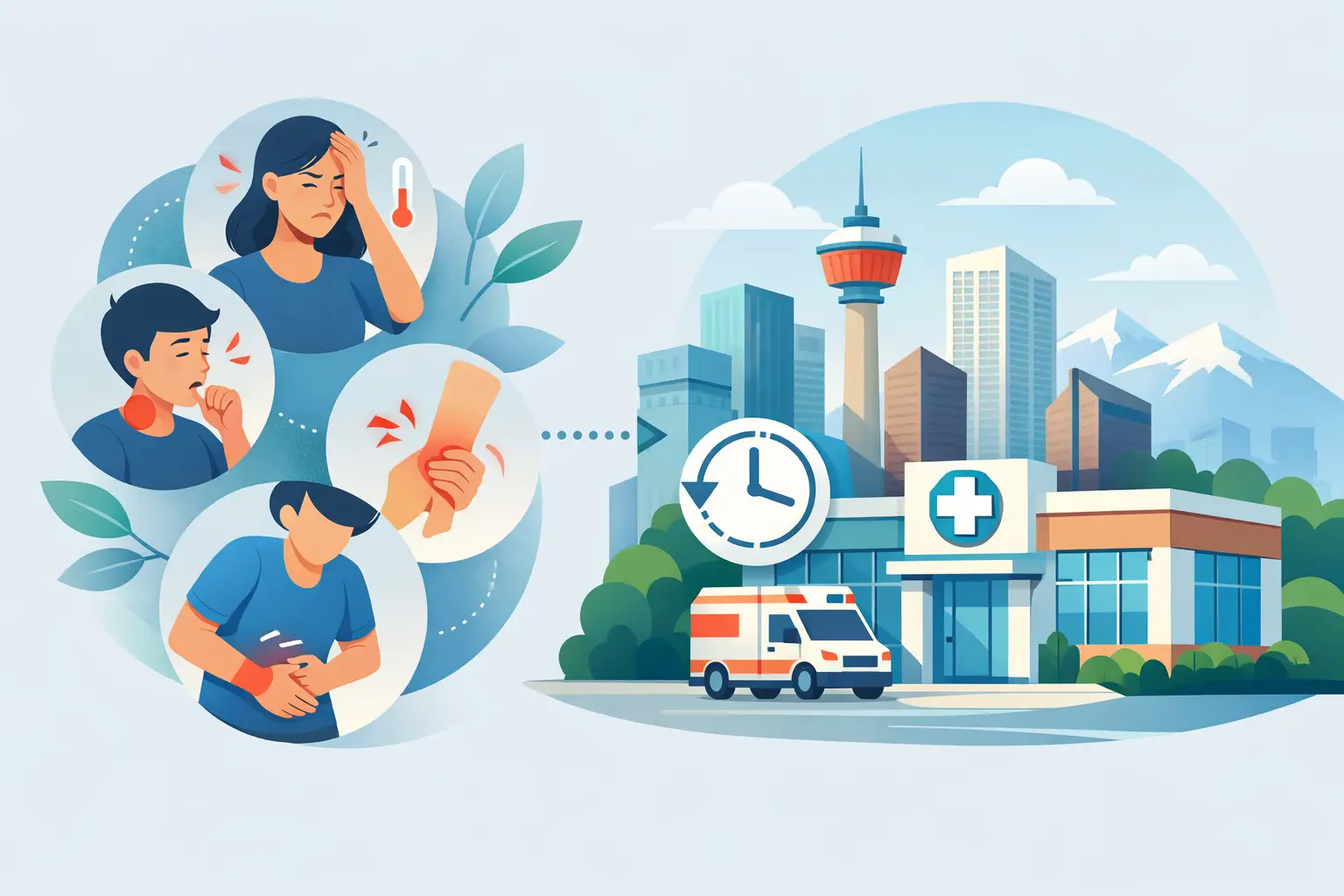
A sore throat, new rash, or worsening cough may not feel like an emergency, but waiting several days can make some illnesses harder to treat and leave you feeling much worse. Knowing the top symptoms needing same day care helps you make a calm, practical decision when you or someone in your family needs medical attention.
Same-day care is designed for urgent, non-emergency concerns that need assessment soon but do not require an emergency department. A clinician can examine you, order appropriate tests, prescribe treatment when needed, and explain what to watch for next. If you have severe or life-threatening symptoms, call 911 or go to the nearest emergency department instead.
Top symptoms needing same day care
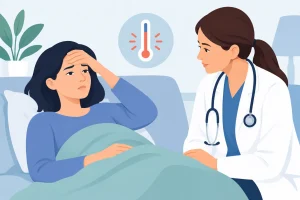
Fever that is persistent, high, or paired with new symptoms
A fever can be part of a common viral illness, especially during cold and flu season. However, it is worth seeking same-day assessment when a fever is high, lasts longer than expected, returns after improving, or comes with symptoms such as severe sore throat, ear pain, a worsening cough, painful urination, abdominal pain, a rash, or unusual sleepiness.
Babies and young children need extra attention. For infants under three months, a fever of 38 C or higher should be assessed urgently. For older children, parents should seek prompt care if a fever is accompanied by difficulty breathing, dehydration, a stiff neck, a purple rash, severe headache, confusion, or a child who is difficult to wake or not acting like themselves.
Breathing symptoms that are worsening but not severe
A cough from a cold can often be managed at home with rest, fluids, and monitoring. Same-day care is a sensible choice when a cough is getting worse, lasts more than a few weeks, brings up blood, causes chest discomfort, or comes with fever or wheezing. People with asthma, COPD, heart conditions, or weakened immune systems should have a lower threshold for seeking assessment.
Severe trouble breathing, blue or grey lips, severe chest pain, fainting, or sudden confusion are emergency symptoms. Do not wait for a walk-in visit in these situations.
Painful urinary symptoms or possible kidney infection
Burning when urinating, frequent urges to urinate, lower abdominal discomfort, blood in the urine, or urine with a strong odour can point to a urinary tract infection. Same-day assessment can help confirm the cause and determine whether medication is appropriate.
Fever, chills, nausea, vomiting, or pain in the side or back along with urinary symptoms may suggest a more serious infection. These symptoms deserve prompt medical care, particularly during pregnancy or for older adults, children, and people with diabetes or kidney disease.
Vomiting, diarrhea, or signs of dehydration
Short-lived stomach illness is common, but repeated vomiting or diarrhea can lead to dehydration quickly. Arrange same-day care if you cannot keep fluids down, symptoms are severe or persistent, there is blood in vomit or stool, or abdominal pain is increasing rather than easing.
Watch for dry mouth, very dark urine, urinating much less than usual, dizziness when standing, weakness, or lethargy. Children may show dehydration through fewer wet diapers, no tears when crying, a dry mouth, or unusual drowsiness. Severe dehydration, severe abdominal pain, a rigid abdomen, or black stools requires emergency assessment.
A painful ear, eye, throat, or sinus problem
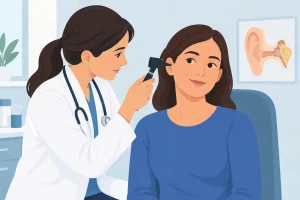
Ear pain, discharge from the ear, reduced hearing, significant sore throat, or facial pain with congestion can all interfere with sleep, work, and school. A same-day visit is especially helpful if symptoms are worsening, persistent, or accompanied by fever.
Eye symptoms also need timely attention. Redness, discharge, swelling, pain, sensitivity to light, or vision changes may be caused by infection, irritation, injury, or another condition that needs examination. Sudden vision loss, severe eye pain, or a chemical splash in the eye should be treated as urgent emergencies.
Skin infections, spreading rashes, and wounds
A small cut may be manageable at home, but increasing redness, warmth, swelling, pus, pain, or fever can signal a skin infection. Same-day care can help prevent a minor wound from becoming more serious. You should also seek assessment for bites, puncture wounds, wounds that may need stitches, or cuts caused by dirty or rusty objects.
A rash needs urgent attention when it spreads quickly, is painful, forms blisters, occurs with fever, or affects the face, mouth, eyes, or genitals. Hives with swelling of the lips, tongue, or throat, trouble breathing, or dizziness can be a severe allergic reaction. Call 911 immediately.
Sprains, minor fractures, and injuries affecting function
Same-day care is appropriate for many non-life-threatening injuries, including a painful ankle, wrist, knee, or shoulder after a fall or sports injury. Get assessed when swelling is significant, pain is not controlled with rest and basic measures, you cannot use the affected limb normally, or there is concern for a fracture.
Do not try to push through an injury just because you can still move the area. Some fractures and tendon injuries allow partial movement at first. A clinician can assess the injury and advise whether imaging, bracing, pain management, or follow-up is needed.
For a visibly deformed limb, uncontrolled bleeding, a deep wound, new weakness or numbness after an injury, or a head injury with loss of consciousness, repeated vomiting, worsening headache, seizure, or confusion, go to the emergency department.
New headaches, dizziness, or symptoms that disrupt daily life
Many headaches improve with rest, hydration, regular meals, and over-the-counter medication when safe for you. A same-day appointment is helpful for a new or unusual headache, recurring migraine symptoms that are not responding to your usual plan, persistent dizziness, or headaches paired with fever, sinus symptoms, neck pain, or vision changes.
A sudden, severe headache that reaches maximum intensity quickly, or a headache with weakness, facial drooping, trouble speaking, confusion, fainting, or seizure, requires emergency care. These can be signs of a time-sensitive condition.
When same-day care is the right choice
The difference between routine care and same-day care often comes down to change. A symptom that is getting worse, interfering with normal activities, causing significant pain, or bringing new symptoms deserves earlier attention. It also depends on the person. A mild cough may be less concerning for a healthy adult than for an infant, a senior, someone who is pregnant, or someone living with a chronic condition.
When you arrive, share when symptoms started, what makes them better or worse, medications you take, allergies, recent travel, injuries, and any treatment you have already tried. This information helps the clinician make a more informed decision without delay.
When to choose emergency care instead
Same-day clinics treat many urgent concerns, but they are not a substitute for emergency services. Call 911 or go to an emergency department for chest pain or pressure, severe difficulty breathing, signs of stroke, severe allergic reaction, uncontrolled bleeding, major trauma, loss of consciousness, seizures, or thoughts of harming yourself or someone else.
If you are unsure where to go, Alberta Health Link at 811 can offer health advice by phone. When symptoms feel severe, sudden, or unsafe, trust that instinct and seek emergency help.
Care that fits your day
For urgent non-emergency symptoms, prompt assessment can bring relief and a clear next step. Seva Medical Clinic offers walk-in and family care for Calgary patients, with extended evening access and on-site pharmacy convenience inside Rexall. Bringing your Alberta health card and a current medication list can make your visit easier.
You do not need to wait until a manageable symptom becomes a miserable one. If something is worsening, painful, or simply not improving as expected, arranging same-day care can help you get answers and focus on feeling better.